
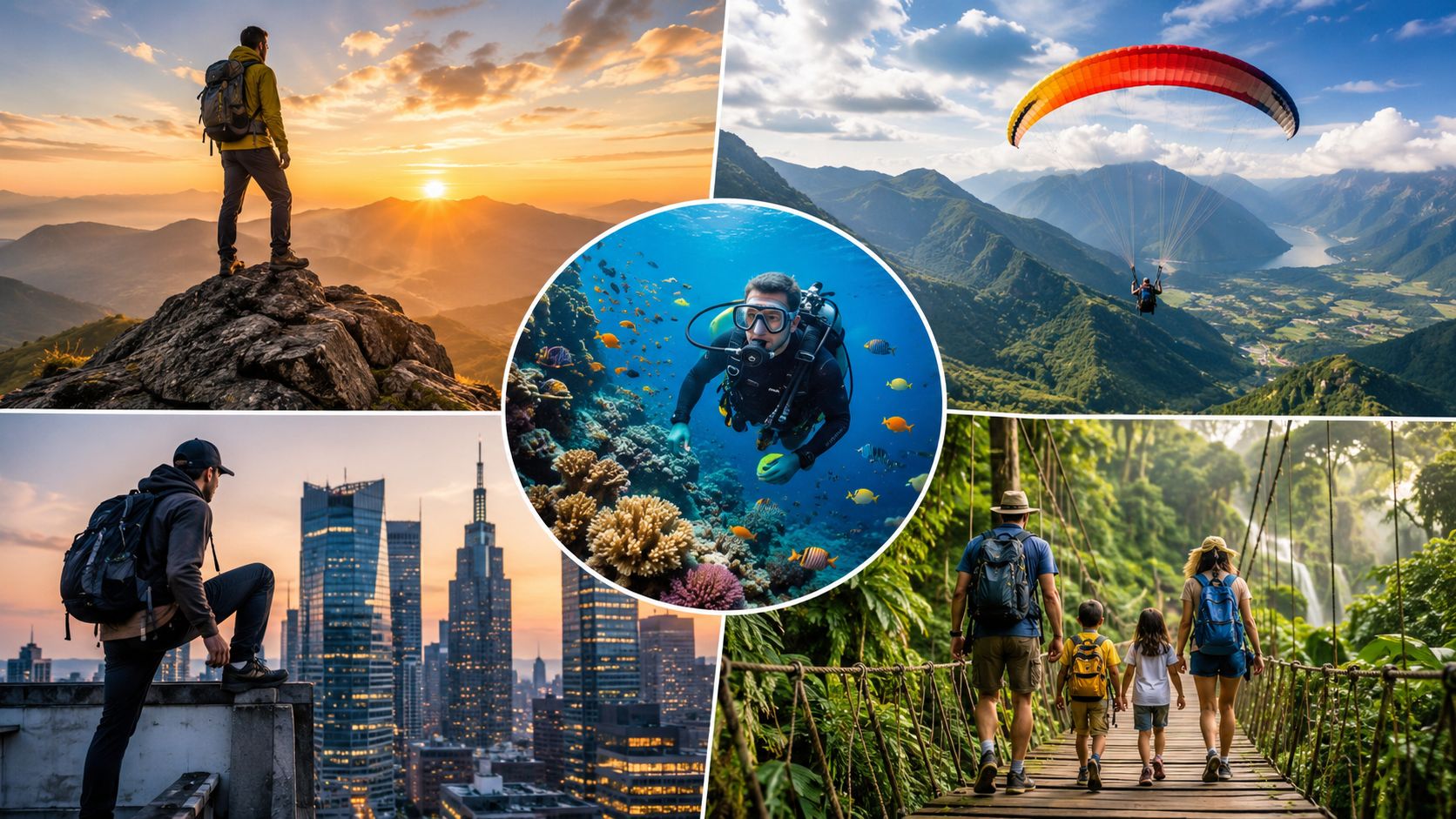
You're staring at another trip tab, another hotel room, another “relaxing escape,” and your brain is already checking out. Good. That's your cue to plan something with a pulse.
Adventure travel is no fringe hobby anymore. Analysts at Grand View Research project the global adventure tourism market will grow from USD 464.3 billion in 2025 to USD 1.7649 trillion by 2033, at an 18.6% CAGR. Travelers want experiences that give them a story, not just a room key.
This means adventurous things to do are not reserved for elite athletes, hardcore backpackers, or people with unlimited cash. You can hike a glacier trail, rip through a canopy course, learn to dive, or paddle white water without turning your budget into a casualty. The smart move is picking the right challenge, building a realistic plan, and booking with discipline.
Start with the mission, not the hype.
Researchers cited by CABI identified 48 distinct adventure travel activities across six activity groupings. That's why “I want adventure” is a weak plan. You need the right kind of adventure for your budget, fitness level, timeline, and travel squad.
This guide gives you exactly that. Nine strong adventure options, practical planning tips, budget-conscious ways to book, and clear advice on using Sgt. Travel Deals Army to cut costs without cutting the fun. If you're comparing resort stays before choosing your first move, read this guide to how all-inclusive resorts work. If you already use STD Army Deals, even better. It's a practical tool for checking travel costs and keeping more of your money for the part that gets your blood pumping, especially for veterans and service members.
Boots on. Mission starts now.
1. All-Inclusive Resort Adventures
You land in a new country, your group wants different things, and nobody wants day one to turn into a spreadsheet firefight. Book the right all-inclusive resort and use it as your mission base.
This option works especially well for families, mixed-interest crews, and travelers who want a clear budget before wheels up. A good resort covers your room, meals, drinks, and access to on-site activities, while putting you within striking distance of cenotes, reefs, jungle parks, boat trips, and cultural tours. You spend less time coordinating and more time doing.
Barceló Maya in Mexico makes sense if cenotes and jungle outings are on your hit list. Club Med fits travelers who want a packed activity schedule. Sandals is a strong pick for travelers focused on water sports. Palladium properties can work well if you want nature-heavy add-ons. Brand matters less than location, activity access, and whether the property fits your team.
Pick the right kind of all-inclusive
Some resorts are built for lazy pool days. Some are built for action. Choose accordingly.
Use this guide to how all-inclusive resorts work before you book, then compare resort prices and locations through Sgt. Travel Deals Army so you can spot the properties that support the trip you want.
Practical rule: “Activities included” often means basic equipment and entry-level options. The headline excursion you actually want may cost extra.
Build your plan like this:
- Match the resort to the terrain: In Riviera Maya, stay close to cenotes, reefs, and eco-parks instead of settling for the cheapest room far from the action.
- Check the premium list: Kayaks, paddleboards, and snorkel gear may be included. Specialty dives, motorized sports, and off-property tours usually are not.
- Protect your excursion budget: Set aside money for transport, guides, tips, lockers, and the one add-on everyone suddenly decides they need.
- Read tour desk reviews: A pretty property means nothing if the excursion team is disorganized or the gear looks tired.
- Use shoulder season if you can: Prices often ease up, crowds thin out, and you have a better shot at booking the tours you came for.
This is one of the smartest starter moves in adventure travel. You get structure, cost control, and plenty of action without running your whole vacation like a field operation.
2. Zip-Lining and Canopy Tours
You're standing on a platform above the trees, gloves on, harness checked, heartbeat up. That is not the moment to wonder whether you booked a serious operator or a tourist trap. Handle that part before wheels up.
Zip-lining is one of the smartest first-hit adventures on this list. You get speed, height, and a real jolt of adrenaline without spending a month training for it. Costa Rica's Monteverde cloud forest, Xplor in Mexico, Kauai in Hawaii, Rotorua in New Zealand, and Puerto Rico near El Yunque are strong picks. Your real decision is simpler. Choose the setting you want, then choose the operator with the strongest safety record and the clearest procedures.
Book the tour. Not just the view.
Plenty of canopy tours sell scenery and deliver a few short lines with rushed staff and tired gear. Skip those. A good tour has trained guides, clear platform commands, well-maintained braking systems, and enough line variety to feel like an actual adventure instead of a glorified photo op.
Ask blunt questions before you pay. How long is the full course? Do guides give a full safety briefing every time? How do they inspect harnesses and cables between groups? Are there weight, age, or mobility limits? The good operators answer fast and without fluff.
Here's your mission briefing:
- Wear closed-toe shoes: Trail shoes or sneakers work. Sandals do not.
- Lock down loose items: Phones, hats, and sunglasses need straps or zipped pockets.
- Read the restrictions first: Weight limits can cancel your booking on arrival. Save yourself the scene.
- Pay for safety, not hype: Cheap tours cut corners somewhere. Do not volunteer to find out where.
- Stage your lodging smartly: Stay close to the course so you save time, cut transfer costs, and keep room in the budget for photos, transport, or a second activity. Sgt. Travel Deals Army is useful for comparing hotel options near major adventure zones, especially if you're trying to keep the whole trip affordable.
One more order. Ask your guides about the forest, canyon, or wildlife while you're up there. The best canopy tours teach as well as thrill.
Zip-lining is also a strong choice for mixed groups. Couples, teens, first-timers, and one brave loudmouth who swears they are “totally fine” can all do well here. The cautious traveler gets a controlled push. The adrenaline hound still gets speed and height. That balance makes this one easy to recommend.
If you want an adventure that feels big, fits a real-world budget, and does not require elite fitness, put this high on the list. Book smart, show up ready, and send it.
3. Hiking and Trekking Expeditions

Hiking strips away the noise fast. You carry what you need, put one boot in front of the other, and earn the view.
That's exactly why trekking keeps its grip on adventure travelers. You can start with a well-marked day hike near home, then graduate to bigger goals like Torres del Paine, the Inca Trail to Machu Picchu, Kilimanjaro, the GR20 in Corsica, or Everest Base Camp. Start where your body and judgment are. Not where your ego is.
Train first, brag later
A hard trek punishes lazy prep. If your plan is “I'll get in shape on the trail,” your feet, knees, and morale are about to file a formal complaint.
Build your fitness before departure. Hike locally with a loaded daypack. Break in your boots. Learn how your body handles heat, altitude, rain, and long descents. The mountain doesn't care that you watched gear videos for three nights straight.
Here's the short version:
- Start with day hikes: Build trail sense before you commit to a multi-day route.
- Use route-planning apps: AllTrails and Komoot are useful for previewing elevation, terrain, and user notes.
- Book guided group treks when needed: They simplify logistics and can lower stress on complicated routes.
- Check insurance carefully: Remote evacuation and high-altitude coverage matter on serious expeditions.
Some of the best hikes also double as cultural experiences. You're not just crossing terrain. You're passing villages, learning trail customs, and seeing how local guides read the lay of the land you barely understand on day one.
A lot of travelers chase “adventure” as one broad category, but demand is more varied than that. As noted earlier, adventure travel spans many activity types, and research highlighted by CBI in the CABI study points to current European interest in areas such as safaris and wildlife watching, food experiences, e-bike cycling, sailing, and wildlife and nature photography. Smart travelers plan around the style of adventure they enjoy, not the one that sounds impressive at dinner.
If your ideal trip includes sweat, silence, scenery, and a serious sense of accomplishment, lace up. Trekking is your assignment.
4. Scuba Diving and Snorkeling
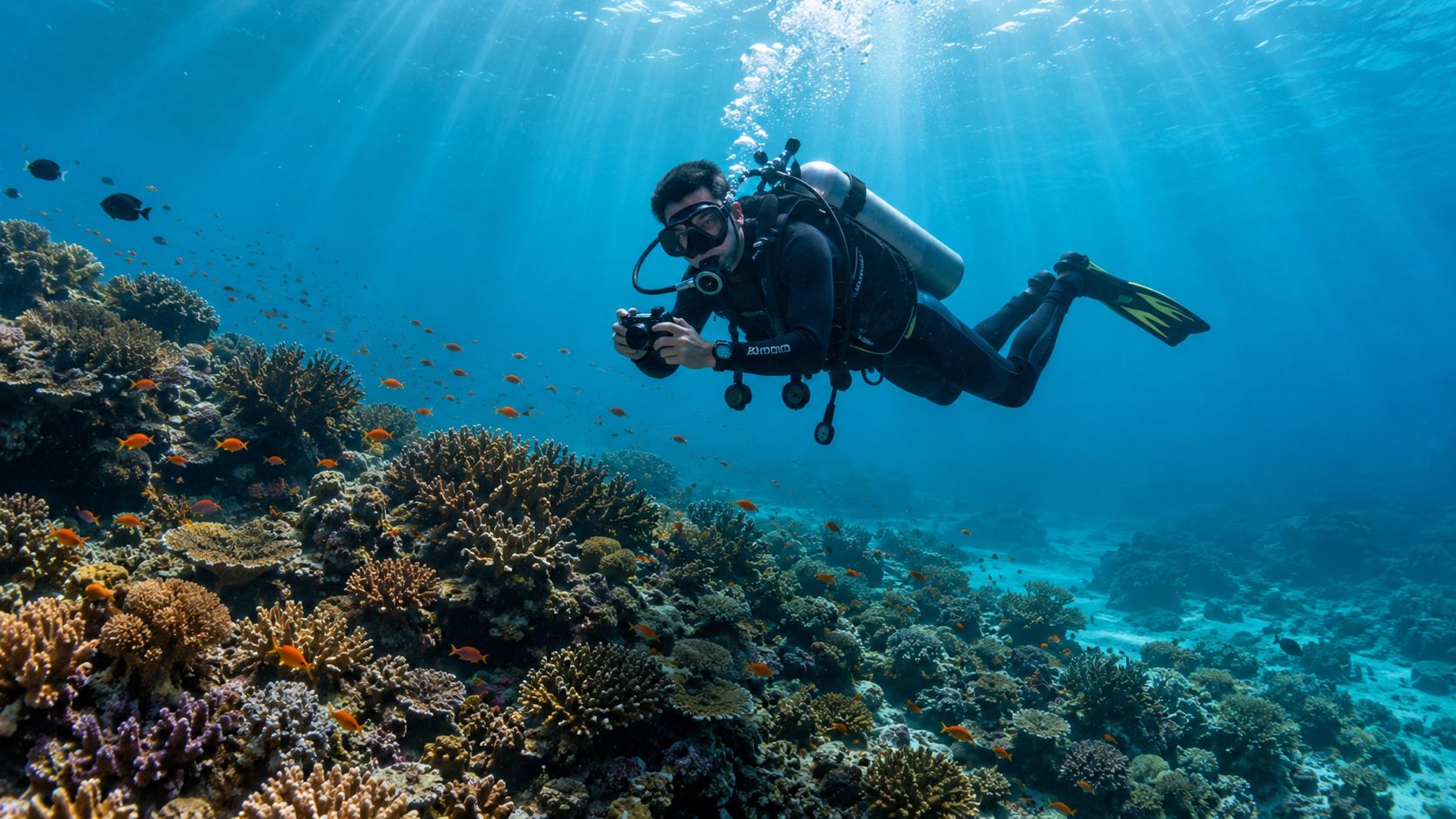
You roll off the boat, put your face in the water, and the whole trip changes. Coral, movement, color, silence. That is the moment people stop talking about “maybe someday” and start planning the next dive.
Scuba and snorkeling give you two different entry points into the same mission. Snorkeling is the smart first move for new travelers because it costs less, needs less training, and still delivers a serious payoff in places like Belize, the Red Sea, Palawan, the Great Barrier Reef, and the Caribbean. Scuba is for travelers ready to train, follow procedure, and earn access to reefs, walls, and wrecks that surface swimmers never reach.
Your mission briefing
Start with snorkeling if you have never spent much time in open water. Test your comfort level first. Then, if you want more bottom time and more range, book a beginner course or certification with a reputable PADI or SSI shop.
Choose operators with a strong safety routine, clear beginner protocols, and patient guides. Skip any shop that rushes the briefing or treats questions like a nuisance. Good dive teams run a tight ship, and that is exactly what you want.
This video gives you a solid taste of the underwater side of the mission:
Keep your prep tight and your costs under control:
- Start with a half-day snorkel trip: It is the cheapest way to find out whether you enjoy being in the water.
- Use reef-safe sunscreen: Protect your skin without damaging the places you came to see.
- Respect marine life: Watch, photograph, and keep your hands to yourself.
- Check what your stay includes: Some resort packages and vacation deals include snorkel gear, boat transfers, or beginner-friendly water activities.
- Cut costs before you book the water time: Use these budget travel hacks for adventure trips so you can spend money on the experience instead of sloppy extras.
Sgt. Travel Deals Army fits well here because this category gets expensive fast if you book carelessly. Flights to island destinations, resort fees, boat trips, gear rental, and certification costs can pile up in a hurry. Veterans and budget-minded travelers should build the trip backward. Lock in affordable travel first, then choose the water activity that fits the remaining budget.
One more order. Stay calm. Underwater adventure rewards slow breathing, steady movement, and people who listen the first time.
A beginner can spend one clear morning over a shallow reef and come back grinning like they found a secret. A certified diver can drop onto a wreck or drift along a wall and get a completely different level of thrill. Pick your lane, train properly, and get in the water.
5. Adventure Sports Skydiving and Paragliding
The door opens, the wind gets loud, and your brain starts asking terrible questions. Good. That means you picked an adventure worth doing.
Skydiving delivers a hard jolt of adrenaline and a story you will tell forever. Paragliding trades the violent drop for a longer, calmer flight with room to look around. If you want the chest-rattle and the bragging rights, book the tandem skydive. If you want scenic airtime and a little more control over the mood, book paragliding. Interlaken, Dubai, coastal Australia, and mountain launches across the United States all make strong choices.
Build the mission before you book the thrill
This category punishes sloppy planning. The jump or flight is only part of the bill. You also need to account for transport to the launch site, weather delays, insurance questions, and the photo package you will absolutely want after you stop shaking.
Keep your budget disciplined. Cut waste in the rest of the trip with these budget travel hacks for adventure travel, then use Sgt. Travel Deals Army to hunt down cheaper flights, hotel rates, and destination options before you commit to the activity itself. That is the smart sequence. Travel first. Adrenaline second.
Use this pre-flight checklist:
- Verify operator credentials: In the U.S., a skydiving center with USPA affiliation is a strong sign you are dealing with a serious operation.
- Read the weather policy before paying: Wind, visibility, and thermal conditions can cancel the day fast.
- Check physical restrictions: Recent injuries, some heart conditions, and mobility issues can change what is safe.
- Ask about total cost up front: Gear, transport, media packages, and reschedule fees can inflate the price.
- Request military or veterans discounts: Plenty of operators will give one if you ask like an adult with a plan.
For first-timers, tandem is the correct call. Do not turn your vacation into an ego contest. You are there to experience flight safely, under the supervision of someone who has done this many times and knows how to keep the ride controlled.
Pick the operator with the clearest briefing, the calmest staff, and the most transparent policies. Cool marketing means nothing. Clean gear, methodical checks, and instructors who answer questions without attitude are what count.
Nervous is normal. Book it anyway.
6. White Water Rafting and Kayaking
Rivers don't negotiate. That's why rafting and kayaking feel so good.
You and your crew commit to a line, paddle when the guide calls for it, and learn very quickly whether you're listening or drifting. Gentle scenic floats are great for families and first-timers. Technical white water turns the whole day into a team sport with consequences. The Colorado River, Costa Rica's jungle rivers, Nepal's Kali Gandaki, and New Zealand's river corridors all deliver strong versions of the mission.
Match the water to your skill
Don't book the wildest run just because the photos look heroic. A Class II or III trip can still be a blast and leaves enough brainpower to enjoy the scenery instead of clinging to the raft like a raccoon in a hurricane.
Outfitters matter more than bravado. Good companies brief clearly, fit helmets and PFDs correctly, explain paddle commands, and tell you what happens if you end up in the water. That's not negative thinking. That's competence.
Use this filter:
- Start lower if you're new: Build confidence before you chase bigger rapids.
- Wear quick-dry clothing: Cotton turns into cold regret.
- Secure nothing loosely: The river collects sunglasses, sandals, and false confidence.
- Listen to the guide: On water, the guide is the commander.
Some travelers prefer kayaking because it feels more personal and technical. Others love rafting because it turns strangers into a temporary squad by the second rapid. Both work. Your choice depends on whether you want individual control or team energy.
A multi-day river trip is one of the best upgrades in this category. You get the rapids, the camps, the riverside meals, and the deep satisfaction of being too tired to care about your phone. That's a healthy state.
If your idea of adventurous things to do includes getting splashed, yelled at by a guide, and grinning like a fool, sign up.
7. Wildlife and Safari Adventures
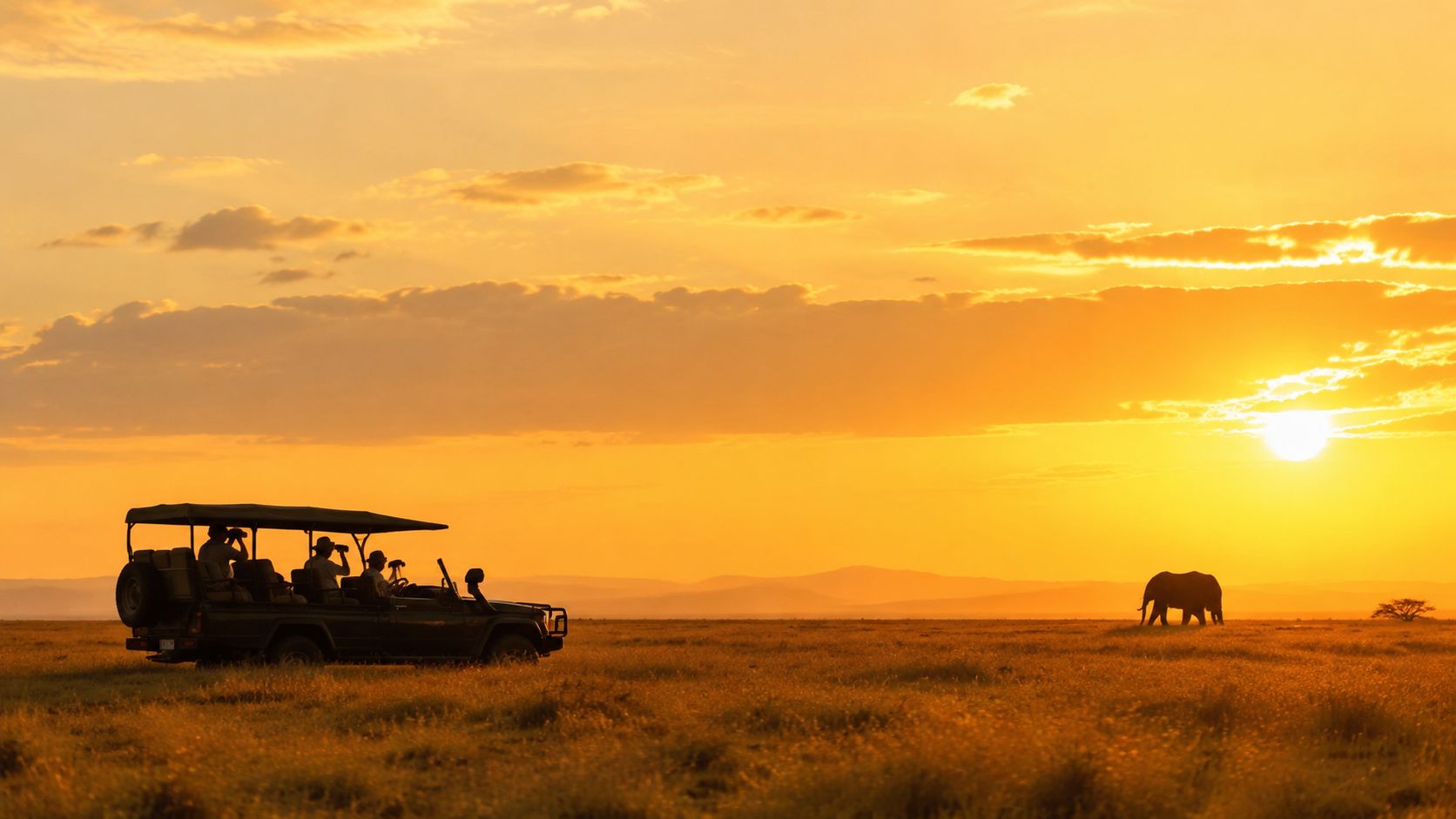
Adventure doesn't always mean speed. Sometimes it means silence, patience, and a guide whispering for everyone to stay still because something massive just moved in the grass.
Safari and wildlife trips deliver a different kind of thrill. Serengeti, Kruger, Masai Mara, the Galápagos, and the Amazon each offer a distinct rhythm. You're there to observe, photograph, and respect the animals in their environment. That's the point. Not chasing them. Not performing for social media. Not getting “closer for a better shot.”
Go with operators who respect the wild
Choose guides and camps with clear conservation standards and good field conduct. The best wildlife experiences feel disciplined. Vehicles keep distance. Noise stays low. Flash photography stays off where it should. Your guide reads behavior and terrain far better than you can.
Current demand in Europe, as highlighted in research cited through the CABI study noted earlier, includes safaris and wildlife watching among the adventure experiences travelers are actively seeking. That tracks. These trips combine scenery, photography, education, and genuine suspense in a way few other adventures can.
A few field rules to keep you sharp:
- Wear neutral colors: Bright tones can draw attention you don't want.
- Bring binoculars and camera gear: You'll use both.
- Follow health guidance: Speak with your doctor about destination-specific precautions.
- Practice patience: Wildlife rewards the traveler who can wait unobtrusively.
The best safari moment often happens after the group stops talking.
Wildlife travel also works well for mixed-interest groups. The adrenaline seeker gets the thrill of the sighting. The photographer gets the light. The more relaxed traveler gets long scenic drives and rich local context from guides who know the region thoroughly.
This category proves a useful point. Adventure can be active without being extreme.
8. Rock Climbing and Mountaineering
Climbing is problem-solving with consequences. That's why people love it.
You don't need to start on a granite wall in Yosemite or on an alpine route near Mont Blanc. Start in a climbing gym. Learn how to tie in, belay, trust your feet, and move with control. Then take those skills outdoors with a certified guide or an experienced partner. Red Rock Canyon, Yosemite, Kalymnos, and big alpine regions all become options once your fundamentals stop being shaky.
Build your system before you build your grade
Beginners waste time chasing impressive routes instead of building safe habits. Don't do that. Get obsessive about basics.
Learn equipment names and functions. Helmet, harness, belay device, rope system, shoes, anchors. Practice commands until they come out clean under stress. If you're heading toward mountaineering, add weather judgment, layering, navigation, and rope-team discipline to the list.
These habits pay off fast:
- Train indoors first: Gyms let you repeat movements and build confidence safely.
- Take qualified instruction: AMGA-certified guidance is worth the money.
- Invest in safety gear: Buy reliable equipment and learn to inspect it.
- Never climb solo as a beginner: Climbing partners are part of the safety system.
Climbing also scales beautifully. A family can try an indoor wall. A new traveler can book a single guided outdoor day. A serious athlete can aim for multi-pitch routes, alpine ascents, and technical mountaineering objectives. Same broad category. Very different missions.
One underserved side of adventure content is accessibility and low-commitment entry points. Independent “microadventure” and cheap-adventure roundups show interest in local, shorter options such as geocaching, night hiking, scenic byways, farmers' markets, and indoor rock climbing, which is exactly why gym climbing is such a good gateway for people who want challenge without a full expedition setup, as reflected in this roundup of low-commitment adventure ideas.
Start small. Learn well. Then go earn bigger terrain.
9. Beach and Water Sports Adventures
You roll into a beach town at 8 a.m. By noon, you can be standing on a surfboard, flying across the water behind a kite, or cruising a calm bay on a paddleboard. That range is why beach and water sports belong on your short list. They give you a fast start, flexible difficulty, and plenty of ways to keep costs under control.
Pick the mission that matches your actual skill level. Oahu and Maui suit travelers who want classic surf culture. Bali and the Mentawai Islands reward experienced surfers who came to work. Costa Rica is a smart training ground for beginners. Cabarete is a strong pick for kiteboarding, and the Florida Keys make paddleboarding and casual water time easy to organize.
Do not book a famous break just because it looks good on social media. Advanced surf spots punish bad decisions fast.
Start with the right entry point. Paddleboarding is usually the easiest first move. Surfing takes more patience, more wipeouts, and better timing. Jet ski tours give you speed with very little learning curve. Kiteboarding is the technical option, and it will test your coordination right away.
Here's the mission briefing:
- Book a lesson on day one: Good instruction saves time, frustration, and unnecessary risk.
- Rent gear before buying anything: Let the sport prove itself before it hits your budget.
- Stay close to your launch point: Long transfers waste prime water hours and drain energy.
- Use Sgt. Travel Deals Army to spot affordable stays and flight windows: That matters if you want more beach time without blowing the trip budget.
- Pair your beach trip with the right coastal stop: If your route includes a cruise or island hop, use this guide to the best cruise ports in the Caribbean for active travelers and choose places that support your plan.
This category also works extremely well for mixed groups. One person can surf. One can book a jet ski tour. One can camp out at a beach café and call it a victory. Beach towns usually come with restaurants, nightlife, easy rentals, and half-day lessons, so nobody gets stuck on the sidelines.
That makes beach and water sports one of the smartest adventure buys on this list. You get action, sunshine, and enough flexibility to build a trip that fits beginners, families, and veterans who want an epic mission without a ridiculous price tag.
9 Adventure Activities Comparison
| Experience | 🔄 Complexity | ⚡ Resources | 📊 Expected outcomes | ⭐ Ideal use cases | 💡 Key advantages |
|---|---|---|---|---|---|
| All-Inclusive Resort Adventures | Low, turnkey booking, on‑site coordination | Moderate cost bundled (lodging, meals, activities); minimal gear | Predictable costs and broad activity access; family-friendly value | Families, groups, budget-conscious travelers wanting convenience | Simplified planning and budgeting; many activities included; verify inclusions |
| Zip-Lining and Canopy Tours | Low–Moderate, operator handles logistics, safety briefings required | Moderate per-person fee; operator provides safety gear | High adrenaline, strong scenic payoff in short time | Day-trippers, families and groups seeking quick thrills in nature | Fast, high-thrill experience; choose certified operators and check limits |
| Hiking and Trekking Expeditions | Moderate–High, route planning and fitness prep required | Variable: low for day hikes, higher for guided multi-day treks and gear | Deep immersion, fitness gains, personal achievement | Fit travelers seeking wilderness immersion and longer time commitments | Affordable scalability; health benefits; train and kit up in advance |
| Scuba Diving and Snorkeling | Low (snorkel) to Moderate (scuba certification and guided dives) | Variable: minimal for snorkel, moderate to high for scuba certification/equipment | Memorable marine encounters and photography opportunities | Marine enthusiasts, photographers, resort guests wanting progression | Scalable skill path; snorkel accessible, scuba requires certification and reputable instructors |
| Adventure Sports: Skydiving & Paragliding | Moderate (tandem) to High (solo certification) | High per-event costs; professional operators and safety systems required | Peak adrenaline and panoramic aerial views; short intense experiences | Bucket-list seekers and extreme-adventure travelers | Unmatched thrill and views; verify certifications and safety record; budget for media packages |
| White Water Rafting & Kayaking | Low–Moderate, guided trips reduce complexity; higher classes need skill | Moderate costs; safety gear usually provided; physical effort required | Strong group bonding, variable adrenaline based on rapid class | Groups, active travelers, progression-focused paddlers | Wide difficulty range; accessible starting points; pick certified outfitters |
| Wildlife and Safari Adventures | Moderate–High, logistics, permits, seasonal timing important | Very high costs for quality safaris; guides and travel logistics required | Potential once‑in‑a‑lifetime wildlife sightings and photographic returns | Wildlife photographers, conservation-minded travelers, luxury seekers | Expert-guided sightings and conservation support; time trips to peak seasons |
| Rock Climbing & Mountaineering | High for outdoor/alpine technical climbs; low for indoor entry | Variable: gym and basics affordable; expeditions and gear can be very costly | Fitness, technical skill development, strong sense of accomplishment | Goal-oriented climbers and fitness-focused adventurers | Progressive learning path and community support; prioritize certified instruction |
| Beach & Water Sports Adventures | Low–Moderate, lessons reduce complexity across disciplines | Moderate ongoing costs (lessons, rentals); equipment investment if committed | Improved fitness, skill progression, coastal enjoyment and sociality | Coastal travelers wanting variety (surf, paddle, kite) and lifestyle activities | Wide discipline choice and community; rent first and take lessons before buying |
Your Mission Plan That Adventure
You have the time off. Your group chat is a mess. Half the crew wants beaches, one friend wants mountains, and somebody is already trying to save money in the worst possible place. Fix it fast. Choose the adventure first, then build the trip to support it.
Your anchor activity is the mission. Everything else follows.
If the goal is scuba, stay near the marina or dive shop and protect those early departures. If the goal is trekking, give priority to trail access, weather timing, gear support, and recovery time. If the goal is surfing, sleep close to the break and reserve lessons before spots fill. Flights, hotel, rental car, and dinner plans come after that.
Trips fall apart when travelers book backward. A cheaper hotel across town can cost you more in transfers, lost hours, missed check-ins, and pure aggravation. Spend on the parts that make the adventure happen. That means qualified guides, safe equipment, smart location, and enough time on the ground to enjoy the experience instead of racing through it.
Keep your plan flexible if your crew has mixed fitness levels or different comfort zones. Build one strong itinerary with optional branches. The high-energy traveler can take the summit push or advanced rapids. The rest of the group can choose the scenic route, the beginner lesson, or the easier half-day option. That is how you keep morale high and avoid turning day two into a recovery operation.
Now for the budget drill. Use shoulder season dates when you can. Rent specialized gear before buying it. Skip upgrades that look impressive online but do nothing for the actual experience. Put your money into instruction, safety, access, and the main activity. That is how regular travelers, and especially veterans watching every dollar, get a real adventure instead of a trip full of compromises.
Sgt. Travel Deals Army and STD Army Deals fit that plan well. As noted earlier, they help you compare the major trip pieces before you commit, so more of your budget stays available for the part that matters most: the adventure itself.
Here are your orders. Pick the destination. Pick the anchor activity. Put dates on the calendar this week. Then start booking with purpose.
Adventure favors people who act. Get your plan together and go.