

Listen up, troop. You want a real trip, not another year of scrolling beach photos while your bank account files a protest. Good news. You don't need luxury-money habits to travel well. You need discipline, timing, and the right tools.
That's the mission behind these budget travel hacks. Stop chasing gimmicks and start attacking the biggest costs first. Flights and lodging usually decide whether a trip feels doable or dead on arrival, so your smartest move is to compare hard, stay flexible, and book with purpose.
One travel guide notes that Tuesdays and Wednesdays are often the cheapest days to fly, and shoulder season usually cuts prices across flights and lodging. That same pattern matters because demand changes by day and season, which means the exact same route can price very differently depending on when you fly and book, as explained by BudgetTraveller's budget travel advice.
You've also got another reality to face. Lodging and meals eat a huge chunk of a trip budget, so saving serious money means changing where you stay, how you move, and how you book. We're not trimming pennies off airport snacks. We're targeting the big buckets.
S.T.D. Army style is simple. Compare first. Move fast when the deal is right. Stay flexible when you can. Use Sgt. Travel Deals Army and S.T.D. Army Deals like mission gear, not decoration.
1. Price Comparison Across Multiple Booking Platforms
If you do only one thing before booking, do this. Compare the same hotel, resort, flight, or car rental across multiple platforms before your card comes out. That's your first drill, and S.T.D. Army Deals belongs at the center of it.
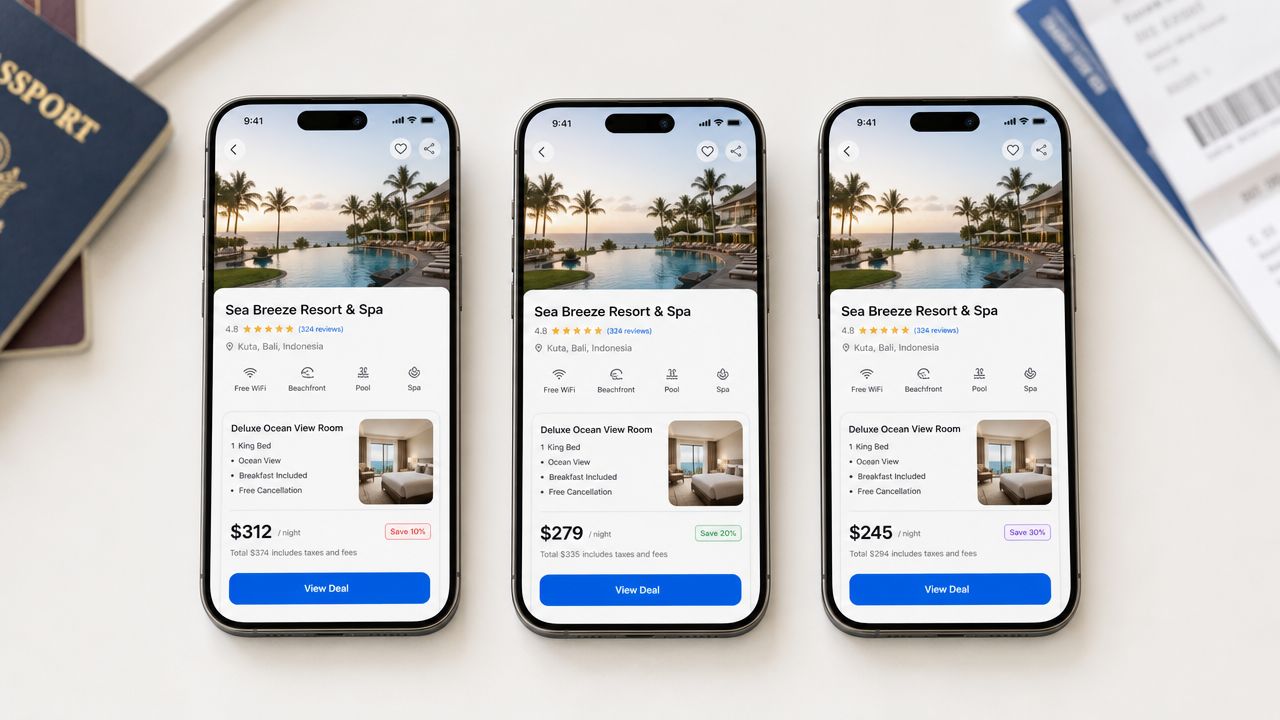
Some platforms surface one rate. Better tools let you see competing rates side by side, spot member pricing, and catch fee differences before checkout. That matters because travel sites don't always show the same final value, even when the room or route looks identical.
What to check before you book
- Final price, not headline price: Taxes, resort fees, and booking fees can wreck a “cheap” rate.
- Member or app-only offers: Some discounts only appear after sign-in or on mobile.
- Cancellation terms: A slightly higher refundable rate can beat a locked-in bargain if your plans might shift.
- Room or fare details: Make sure you're comparing the same baggage rules, breakfast setup, and bed type.
Practical rule: Never trust the first price you see. Verify it against at least one comparison-driven platform before booking.
S.T.D. Army's approach hits hard. The brand is built around side-by-side deal examples and a mobile-friendly booking experience, so you can compare without bouncing all over the internet. Bookmark it, save it to your home screen, and use it every single time.
Want a quick video refresher on finding cheaper travel options? Watch Google Flights tips for finding cheaper airfare on YouTube.
2. Off-Season and Shoulder Season Travel
Shoulder season is one of the cleanest wins in budget travel. You get lower demand, lighter crowds, and better breathing room at hotels, airports, and attractions.

The move is simple. Don't chase peak-season dates unless the trip absolutely requires them. Slide your travel window earlier or later, and your money usually stretches farther.
Why this works
Peak demand punishes rigid travelers. Airlines, hotels, and destination vendors raise prices when everybody wants the same week. Shoulder season flips the battlefield. You'll often find calmer airports, easier reservations, and less rushed service because staff aren't handling peak-volume chaos.
Another win is experience quality. A destination with fewer crowds often feels better even if the weather is slightly less predictable. You spend less time in lines and more time enjoying the place.
- Best fit: Popular beach destinations, big cities, and resort-heavy markets
- Watch for: Reduced attraction hours, limited seasonal restaurants, and school-break spikes
- Smart tactic: Pair shoulder-season dates with midweek departures for stronger odds of lower fares
Go when everyone else doesn't. That's not luck. That's tactics.
This hack works especially well for travelers who care more about value than bragging rights. You don't need the busiest week of the year to have a great trip. You need the right week for your wallet.
For more trip-planning ideas, browse budget travel strategy videos on YouTube.
3. Mastering All-Inclusive Resort Deals
You're standing at a resort bar on day two, and every little charge is trying to ambush your budget. Drinks. Lunch. Poolside snacks. A quick activity booking. That is how a cheap-looking trip turns into a sloppy mission.
All-inclusive resorts work best when your objective is cost control. You pay once, cover the major basics, and cut down the steady drip of random vacation spending. For S.T.D. Army travelers, that makes this category worth serious attention.
The catch is simple. A package only wins if you use the package.
Travelers who stay on property, eat most meals at the resort, and want an easy short stay usually get the best value. Travelers who plan to explore town all day, book outside restaurants, and treat the resort as a place to sleep usually do better with a standard hotel.
Use all-inclusive resort deals from S.T.D. Army to compare what each property really includes, then cross-check your airfare plan with these cheap flight booking tips from S.T.D. Army. The mission is total trip cost, not just a flashy resort headline rate.
Your resort deal checklist
Before you book, inspect the package like a supply list.
- Best fit: Travelers who want one main upfront price
- Watch closely: Resort fees, airport transfer terms, premium dining, top-shelf alcohol, spa access, and excursions
- Strong play: Short trips where convenience matters as much as savings
- Weak play: Trips built around off-property dining, tours, and nightlife
A lot of resorts advertise “all-inclusive” with fine print doing half the talking. Some include transfers and activities. Some charge extra for the restaurants you want, the drinks you order, and the beach setup you assumed was covered. Read the package details before you salute the deal.
Here's the rule. Compare the bundled price against what you would spend on a room, meals, drinks, and basic entertainment separately. If the resort package beats that total and matches how you travel, book it and move. If not, keep marching.
4. Flight Booking Strategy and Alerts
Cheap flights don't come from magic. They come from monitoring, flexibility, and refusing to book on impulse.
A strong flight plan starts with alerts, flexible date searches, and a willingness to consider alternate airports or indirect routes. If your schedule has even a little give, that flexibility can pay off fast.
Your booking drill
One budget-travel source says Tuesday is “almost always” the cheapest day to travel by air, and another notes that midweek departures usually cost less than weekend trips. Pair that with fare alerts and route flexibility, and you're working with a proven pattern instead of guessing, as outlined in these cheap-flight booking tips from S.T.D. Army.
Travel-booking behavior data also points in the same direction. Travelers who book transport for shorter vacations six to nine months in advance are 56% more likely to actively look for the cheapest options, according to GWI's travel budget insights. Early comparison and fare monitoring matter.
Field order: Set alerts first. Search flexible dates second. Book only after you've checked alternate airports and baggage rules.
Use private browsing if you want a cleaner session, but don't obsess over browser myths. The heavy hitters are date flexibility, route flexibility, and active monitoring. That's where the savings mission lives.
For a visual walkthrough, watch Google Flights fare alert tutorials on YouTube.
5. Travel Rewards Programs and Credit Card Hacking
Rewards can slash travel costs, but only if you're disciplined. If you carry a balance and pay interest, this hack turns into friendly fire.
Used correctly, rewards programs let you turn routine spending into flights, hotel nights, or travel perks. Airline programs, hotel programs, and flexible bank points all play a role. The trick is simple. Earn in one or two systems you'll use, then redeem with intent.
Best way to use rewards without getting sloppy
Start with the loyalty programs for airlines or hotel brands you already book. Then add one travel-focused credit card only if you pay the balance in full every month. That gives you earning power without handing back value through interest.
Keep your setup lean:
- Pick a lane: Don't collect random points across six programs.
- Use points for expensive travel dates: Rewards often shine when cash prices are ugly.
- Check transfer options: Flexible points can open better redemptions than locked-brand points.
- Read the fine print: Award space, baggage rules, and resort fees still matter.
This isn't beginner-proof, but it works for organized travelers. If you're military, veteran, or a frequent traveler, combining loyalty perks with deal-platform comparisons can stretch your travel budget even further.
For training on points and miles, search travel rewards beginner videos on YouTube.
6. Car Rental Optimization and Alternative Transportation
Car rentals can ambush your budget if you book lazily. Base rate looks fine, then insurance, fuel terms, pickup fees, parking, and tolls show up and start firing from all directions.
That's why comparison matters here just as much as it does with hotels. Use S.T.D. Army Deals for car-shopping and then study the details, not just the headline number.
Where travelers waste money on ground transport
Pickup location matters. Airport counters can be convenient, but city locations sometimes price differently. Rental duration matters too. In some cases, extending by a day or shifting the timing can produce a better overall rate structure than a shorter booking.
Use S.T.D. Army's guide to cheapest car rental companies to sharpen your approach before reserving.
- Check insurance twice: Your personal auto policy or credit card may change what you need.
- Compare all-in cost: Include parking, tolls, and fuel policy.
- Ask if you need a car at all: In dense cities, public transit and rideshares can beat rentals easily.
- Watch the clock: Returning late can trigger ugly charges.
If your trip is urban, skip the rental unless the math clearly favors it. Train, subway, bus, and walkable neighborhoods often save more than any coupon code ever will. Budget travel hacks work best when you remove unnecessary costs, not just negotiate smaller ones.
Need a walkthrough? Browse car rental money-saving videos on YouTube.
7. Flexible Destination Approach and Inspiration
Rigid destination planning is where many cheap trips go to die. If you must fly to one exact place on one exact weekend, you've already surrendered much of your ability to save.
Flip that around. Decide on a type of trip first, then let the deals influence the exact destination. Beach escape, city break, mountain reset, resort weekend. That mindset opens the map.
Let the deal pick the battlefield
This is one of the strongest budget travel hacks because it changes the whole decision process. Instead of forcing the market to fit your dream plan, you hunt the best value and move toward it.
Independent guidance on cheap flights notes that fare alerts, direct booking, booking-site predictions, route flexibility, and active price monitoring matter more than chasing one “perfect” booking moment, as discussed in Under30Experiences' travel hacking guide.
The cheapest destination is often the one you weren't planning to choose.
Try this approach when your dates are open and the trip is about experience, not a milestone. It also works beautifully with Sgt. Travel Deals Army, because the platform's whole personality encourages deal-hunting, community sharing, and smarter comparison.
For idea-finding, check cheap destinations and travel deal inspiration on YouTube.
8. House Sitting, Home Swaps, and Alternative Accommodations
Hotels aren't the only sleeping quarters on the map. House sitting, home swaps, guesthouses, and longer-stay rentals can cut lodging costs hard while giving you more local flavor.

This strategy gets even stronger if you have access to a kitchen. Cooking even a few meals changes the trip budget fast, especially on longer stays.
Best alternative stay options
House sitting can nearly eliminate lodging cost, but you trade convenience for responsibility. You may need to care for pets, water plants, or keep a schedule. Home swaps can work well if you own a home and are comfortable coordinating directly with another traveler.
A few sharp rules help:
- Read every review: Trust matters more here than with a standard hotel.
- Confirm house rules: Pet care, cleaning duties, and check-in expectations must be clear.
- Use kitchens strategically: Breakfasts and a few dinners can reduce food spending quickly.
- Match the stay to the trip: Great for longer visits, less ideal for one-night stopovers.
This is one of the oldest smart-travel moves around. If lodging is a major cost bucket, then reducing or replacing it creates room for the rest of the trip to breathe. Stay practical, verify the host or swap details, and treat the property with military-grade respect.
For tutorials and real examples, watch house sitting for beginners on YouTube.
9. Package Deals and Bundling Strategies
Bundling can save time and money when your trip needs multiple parts locked in together. Flight plus hotel is the classic combo. Hotel plus car can also work if the destination really requires wheels.
The big advantage is control. One booking flow, one checkout, and often fewer chances to miss a hidden fee buried across separate reservations.
When bundles beat separate bookings
Bundles shine when you already know your dates, your destination, and the trip structure. They're especially useful for shorter getaways where simplicity matters as much as raw savings.
Before you commit, run the package against separate bookings on S.T.D. Army Deals. Some bundles are excellent. Others look good until you compare the underlying parts.
- Good bundle: Matches your preferred hotel or flight timing and still looks strong on total price
- Bad bundle: Forces weak flight times, poor room categories, or extras you didn't want
- Smart move: Compare cancellation terms before booking
This strategy also works well for travelers who don't want to track five confirmations and three customer-service channels. If the numbers line up and the logistics are cleaner, take the win and move.
For more visual examples, search vacation package deal tips on YouTube.
10. Community Deals, Military Discounts, and Member Perks
You're at checkout, the total looks painful, and one missed discount code just cost you dinner, baggage fees, or your airport ride. That's a rookie mistake. Smart budget travelers treat community perks and military rates like mission gear. You check for them every time.
Military and veteran discounts deserve first pass. Use them fast and use them often. If you do not qualify, member groups still give you an edge through private promos, early deal alerts, and real-world feedback from travelers who already tested the offer.
Why S.T.D. Army belongs in your stack
Sgt. Travel Deals Army is built for this kind of mission. It gives you a place to compare offers, spot giveaways, and stay plugged into a travel community that actually cares about saving money instead of dressing up average deals.
Free matters.
A paid membership has to work hard to justify itself. A free community that helps you find better pricing, avoid junk offers, and stay alert for veteran-friendly travel opportunities is easy to keep in rotation. That fits the S.T.D. Army playbook. Stay ready, move fast, keep more cash.
The bigger win is better judgment. Community members call out weak deals, hidden catches, and offers that look sharp until the fees hit. That kind of field intel saves money and saves time.
Mission habit: Before you book, check military pricing, veteran offers, association perks, employer benefits, warehouse club travel portals, and member-only communities. Public pricing should never be your only quote.
Small savings stack. A discounted room, waived resort fee, or member-only rate may not look huge by itself. Put a few of those wins together and your travel budget gets a lot more breathing room. That is how the S.T.D. Army operates. One smart move at a time.
Budget Travel Hacks: 10-Point Comparison
| Strategy | 🔄 Implementation Complexity | ⚡ Resource / Time Investment | 📊 Expected Outcomes (Impact) | 💡 Ideal Use Cases | ⭐ Key Advantages |
|---|---|---|---|---|---|
| Price Comparison Across Multiple Booking Platforms | Medium, set up tools and compare sites | Low–Medium, web access; optional paid tools | 10–40% savings; better fee transparency | Deal hunters, frequent bookers | Finds lowest rates and platform-exclusive deals |
| Off-Season and Shoulder Season Travel | Low, date selection and research | Low, requires schedule flexibility and planning | 30–60% savings; fewer crowds; improved service | Flexible travelers, remote workers, families | Large savings and enhanced local experiences |
| Mastering All-Inclusive Resort Deals | Low–Medium, verify inclusions and reviews | Moderate, upfront payment; comparison needed | 20–35% savings vs à la carte; predictable budget | Families, relaxation-focused travelers | Single upfront cost; reduced daily spending stress |
| Flight Booking Strategy and Alerts | Medium, set up alerts and monitor fares | Low–Moderate, alert tools, flexible dates | $100–500+ savings per ticket; occasional error fares | Frequent/business flyers, flexible travelers | Automated fare tracking and best-day insights |
| Travel Rewards Programs and Credit Card Hacking | High, complex rules and redemption strategies | High, good credit, time to track accounts, possible fees | Large value via sign-up bonuses ($500–1,500+) and free travel | Frequent travelers, credit-responsible users | Big long-term value and premium perks (lounges, upgrades) |
| Car Rental Optimization and Alternative Transportation | Medium, compare pickup locations, durations, insurance | Moderate, research, possible shuttles or public transit | 30–50% savings; weekly rates often cheaper | Road trip planners, multi-destination trips | Significant cost reduction and insurance optimization |
| Flexible Destination Approach and Inspiration | Medium, monitor deal feeds and be opportunistic | Moderate–High, high schedule flexibility required | 40–60% potential savings; serendipitous discoveries | Remote workers, spontaneous travelers, adventurers | Largest savings and unexpected destinations |
| House Sitting, Home Swaps, and Alternative Accommodations | Medium, vetting hosts and arranging exchanges | Low monetary cost; moderate time for applications | Free to 50–70% lodging savings; local immersion | Long-term travelers, remote workers, pet lovers | Major lodging cost reduction and kitchen access |
| Package Deals and Bundling Strategies | Low, one-stop booking but compare components | Low, simple booking; may need membership | 10–20% savings; simplified planning and support | Families, group travelers, simplified planners | Consolidated booking, price locks, single support channel |
| Community Deals, Military Discounts, and Member Perks | Low, verification and membership sign-up | Low, ID or membership; follow community channels | 10–30% verified savings; exclusive offers | Military members, veterans, families, supporters | Member-only discounts, priority support, community deals |
Mission Accomplished. Deploy and Save!
You've got the playbook now. These budget travel hacks work because they attack pressure points of travel spending. Flights. Lodging. Ground transportation. Food structure. Booking discipline. That's where your money either survives the mission or gets smoked before takeoff.
The biggest lesson is simple. Stop looking for one magical trick. Real savings come from stacking smart moves. Compare booking platforms before you buy. Travel in shoulder season when possible. Use all-inclusive deals when predictability matters. Set flight alerts and stay flexible on dates and even destinations. Consider alternative accommodations when hotels are eating too much of the budget. Bundle trip components when the package beats booking separately.
You also need to think like a planner, not a dreamer. A dreamer sees a destination and books on emotion. A planner checks midweek departures, compares routes, studies lodging terms, and looks at whether public transportation can replace a rental car. That shift alone makes these budget travel hacks far more effective.
S.T.D. Army fits naturally into that mission. S.T.D. Army Deals gives you a place to compare prices before you commit, and Sgt. Travel Deals Army gives you a veteran-owned community built around smarter booking, better deals, and a little more fun in the process. If you travel regularly, those tools shouldn't be optional. They should be part of your standard issue gear.
Keep your process tight. Save the booking site to your phone. Check rates before every purchase. Verify what's included. Read the fare and room rules. Don't get seduced by a low headline price that turns ugly at checkout. If a trip component doesn't serve the mission, cut it.
Most important, don't wait for a “perfect time” to become a budget-savvy traveler. Start with one trip. Run the comparison. Shift the dates. Choose the smarter lodging setup. Build your travel fund with steady savings and disciplined booking habits. Those small decisions stack up, and over time they create freedom.
That's the whole objective. More travel. Less waste. Better intel. Stronger execution.
Ready to enlist with a travel platform that treats saving money like a mission? Join Sgt. Travel Deals Army, then run your next hotel, resort, flight, or car rental search through S.T.D. Army Deals. Compare first, book smarter, and move out.
1 thought on “10 Budget Travel Hacks for Your Next Mission”