

ATTENTION, Troop! It's 10:47 p.m. You've got six browser tabs open, one finger hovering over a resort deal, and the number on the checkout page is trying to break your fighting spirit. Hold the line. Sgt. Travel has seen this ambush before, and the fix is simple. Stop hunting random “cheap places” and start treating your vacation like a mission with targets, timing, and a booking plan.
That's what this guide is built to do. You're not getting a lazy roundup stuffed with fantasy prices and vague advice. You're getting a mission briefing. Each destination is a deployment opportunity with field-tested ways to cut costs, notes for different recruits such as families and veterans, and direct orders on how to use the S.T.D. Army booking engine to find cheap vacation packages before the best rates disappear.
Here's the key advantage. Budget travel stretches far beyond one style of traveler. A beach crew chasing all-inclusive ease, a family that wants short transfers and predictable costs, and a veteran traveler hunting street food, local buses, and one more stamp in the passport can all build a strong trip without torching the budget.
Some regions make that job much easier than others.
Mexico can deliver resort convenience without the planning chaos. Central America packs rainforests, volcanoes, and colonial cities into routes that keep transportation costs manageable. Southeast Asia remains a favorite for recruits who want maximum meals, sightseeing, and hotel value for the money. Central Europe gives old squares, thermal baths, and café culture without the price tag of Western Europe.
Your orders are clear. Pick the mission type that fits your squad, watch for off-season openings, and book with discipline instead of panic. Vacation victory goes to the prepared.
1. Mexico's Riviera Maya & Cancun Region
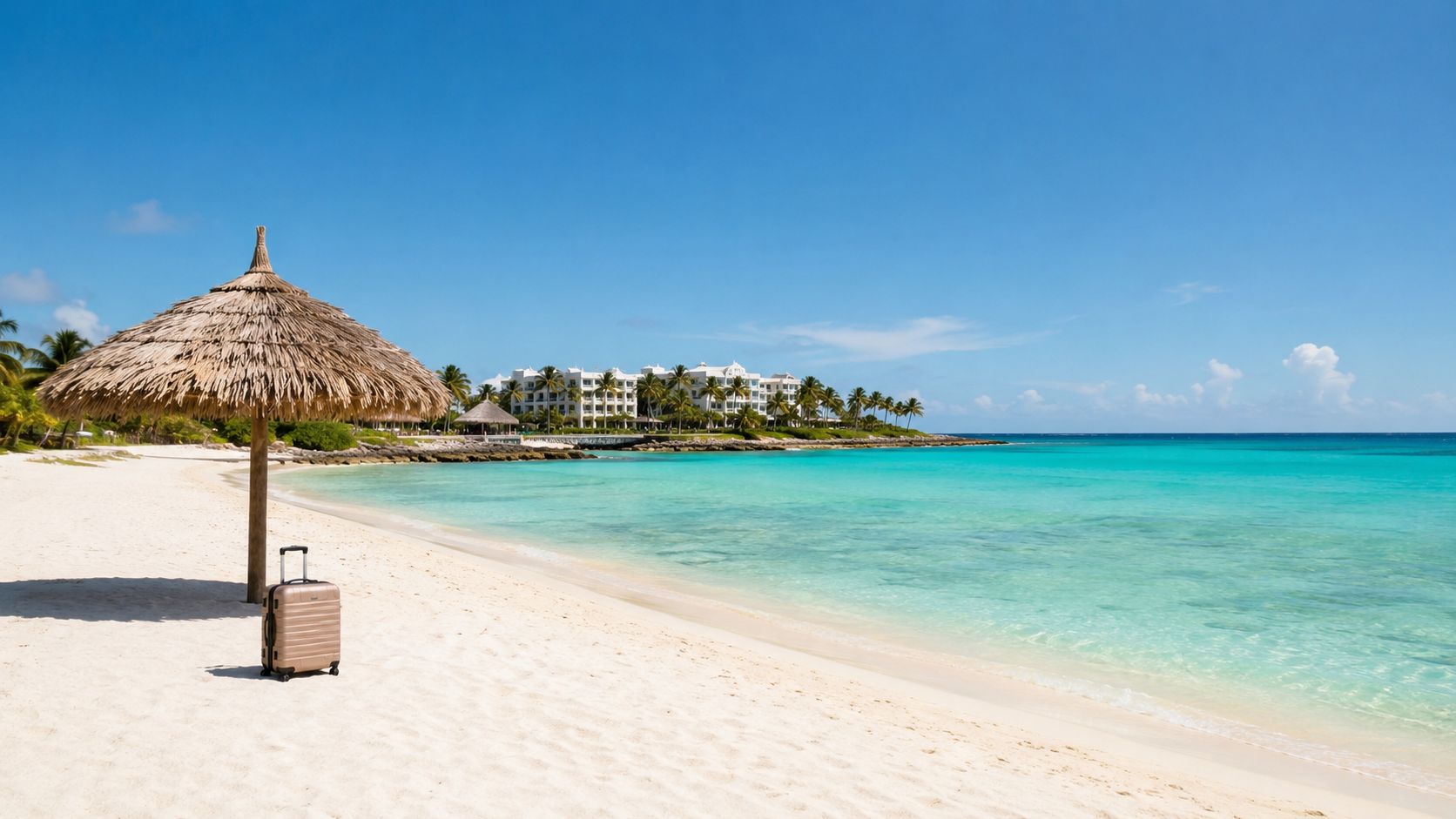
Your squad lands in Cancun before lunch. By mid-afternoon, one recruit is posted up by the pool, another is mapping a cenote stop for tomorrow, and nobody is arguing with a train schedule or a five-leg transfer. That is the power of this mission. The Riviera Maya gives you a fast beach deployment with low planning friction and plenty of ways to keep spending under control.
Cancun handles the easy-entry resort mission. Playa del Carmen works well for recruits who want beach time plus walkable restaurants and ferry access. Tulum usually asks for a little more cash, so budget troops often save more by sleeping in Cancun or Playa and choosing day trips with discipline.
Field tactics for resort value
A couple on a five-night mission can win here by picking one smart package instead of building the trip piece by piece. Breakfast, drinks, airport transfer, and kid-friendly activities in one rate often beat a cheaper room that piles on charges all week. Compare the full cost, not the glossy pool shot.
- Use all-inclusive with intent: If your crew plans to stay on-site, bundled meals and drinks can keep daily costs predictable.
- Check multiple zones: Cancun's Hotel Zone gets the headlines, but Playa del Carmen and nearby stays can offer better total value.
- Keep excursions selective: One strong outing, such as a cenote swim or ruins visit, usually beats stacking pricey tours back to back.
- Book like a disciplined recruit: Run your search through the S.T.D. Army guide to finding cheap vacation packages before you commit.
Sgt. Travel callout: Two resorts with similar nightly prices can produce very different final totals. Meals, transfers, kids' clubs, and resort fees decide the real winner.
Families usually score well in this sector because the airport access is simple and the resort format keeps logistics tight. Veterans and active-duty recruits should check for military discounts, room upgrades, or resort credits before locking in orders. A two-minute check can turn a decent fare into a clean victory.
2. Central America: Costa Rica, Guatemala & Honduras
Some troops don't want a lounge chair mission. They want cloud forests, volcano views, jungle trails, and the kind of bus rides that become stories later. Central America delivers that energy in force.
Costa Rica brings the polished eco-adventure feel. Guatemala leans into markets, highlands, and dramatic scenery. Honduras gives budget-minded beach and island seekers another lane to explore. If you can travel light and stay flexible, this region rewards you.
How smart recruits keep costs under control
Simple habits prove effective. Skip expensive tourist-facing restaurant zones when you can, lean on local buses for intercity moves, and book activities directly with reputable local operators instead of defaulting to hotel desks.
A practical scenario: a couple lands in San José, spends a few days in a mountain town, then rolls onward by bus instead of stacking domestic flights. They eat at local comedores, choose guesthouses over branded hotels, and save the splurge for one standout experience like a canopy tour or guided nature outing.
- Sleep strategically: Hostels, budget lodges, and small guesthouses often beat flashy listings on value and local personality.
- Eat where locals eat: Markets and neighborhood spots usually serve the best combination of flavor and price.
- Travel in the green season: You may trade some sunshine certainty for lower rates and fewer crowds.
Go where the zipline is optional, not mandatory. The forest, the town square, and the beach are already doing a lot of the work.
For adventure-minded travelers, Central America stays one of the most practical budget travel locations because the thrill isn't locked behind luxury pricing. You just need a little grit, good shoes, and a booking plan.
3. Caribbean Islands: Dominican Republic & Puerto Rico
Your squad lands before noon. By mid-afternoon, one recruit is floating in warm water with a plastic cup of passionfruit juice, another is scouting dinner in a blue cobblestone street, and nobody is arguing with a rental car counter or a four-stop transfer. That is the Caribbean mission done right.
The Dominican Republic and Puerto Rico both give you that fast shift into vacation mode, but they serve different kinds of troops. The Dominican Republic is the stronghold for travelers who want costs boxed in early with resort packages, meals covered, and beach time on command. Puerto Rico suits recruits who want more freedom to bounce between sand, city blocks, casual food spots, and short drives without turning the trip into a planning exercise.
A smart family play looks like this. Parents with younger kids book a Dominican beach resort where the pool, meals, and room are all within a short walk, then spend more time enjoying the trip and less time pulling out their wallets. A couple with a long weekend and carry-ons goes for Puerto Rico, spends the morning on the water, then heads into Old San Juan for dinner and evening wandering.
Best use cases for each island
Choose the Dominican Republic if your mission priority is price control. All-inclusive stays can keep the budget from drifting because food, drinks, and on-site downtime are already folded into the plan. That setup works especially well for families, friend groups, and veterans who want to keep logistics light.
Choose Puerto Rico if convenience and flexibility matter more than the all-in-one resort model. U.S. travelers often find the trip easier to organize, and the island rewards recruits who like to split time between the beach and town instead of staying parked at one property.
Keep your orders tight:
- Price the full mission, not just the room. A cheaper nightly rate can lose badly once meals, transfers, and beach-day extras start stacking up.
- Target shoulder season. You will often find better value when you avoid holiday surges and school-break rushes.
- Pick your base with intent. In the Dominican Republic, a well-chosen resort can cut transport and food costs. In Puerto Rico, staying near the areas you plan to explore helps avoid spending the savings on extra driving.
- Check military and package discounts. Veterans should scan rate notes and package details carefully, because special pricing sometimes appears where you least expect it.
For families, the winning move is simple. Keep airport-to-hotel transfers short, choose walkable properties, and make sure the beach day does not require a full tactical operation with strollers, coolers, and tired kids. For veterans, this region deserves a hard look when you want tropical payoff without building a complicated itinerary from scratch.
Sun, warm water, and cleaner logistics. That is a mission worth taking.
4. Colombia: Cartagena, Bogota & Caribbean Coast
Dawn hits Bogotá cold enough to wake up your whole unit. By sunset, you are on the Caribbean side in Cartagena, walking under flower-draped balconies with a cheap fruit juice in hand and enough pesos left for dinner. That is Colombia's budget mission in one clean move. Big-city culture up high, warm coastal payoff down low, and a route that can feel far more expensive than it is.
Cartagena brings the postcard shots, but the smart recruit does not stop at pretty walls. Stay close enough to the historic center to enjoy it early and late, when the streets feel most alive and the day-trippers thin out. Bogotá does the heavy lifting on museums, food, and neighborhood wandering, especially if you base yourself in a well-known district and keep your daily transport simple.
The Caribbean Coast gives you room to customize the deployment. Some travelers keep it tight with Bogotá and Cartagena only. Others add a beach stop or a smaller coastal town for a slower finish. The winning play is restraint. A packed route burns cash on transfers, check-ins, and wasted half-days.
Tactical plan for a stronger Colombia run
A solid first-timer itinerary looks like this: land in Bogotá, spend a few days getting your city fix, then fly to Cartagena for the colonial-core-and-sea combo. If you have extra days, attach one coast stop with purpose instead of bouncing around trying to collect pins on a map.
Smaller hotels and guesthouses often beat big chains here on both price and personality. Good hosts can point you toward lunch counters, coffee spots, and neighborhood restaurants that stretch your budget without making the trip feel cheap.
Field intel: In Colombia, a guesthouse owner who knows where locals eat can save you more money than any glossy “top 10” list.
Families should keep this mission compact. Fewer hotel changes mean fewer taxi decisions, fewer bags on cobblestones, and fewer chances for the day to go sideways in the heat. Veterans and experienced travelers who like a little more independence can use Colombia well by mixing one polished city stay with one coastal base and leaving room for spontaneous meals, markets, and museum stops.
For deal-hunting recruits, Sgt. Travel's order is simple. Use the S.T.D. Army booking engine to compare neighborhoods before booking, not just properties. In Bogotá, the right area can save time and rides all day long. In Cartagena, a slightly smarter base can cut transport costs and give you easier access to both the old city and the water.
Keep your route disciplined, your lodging well reviewed, and your reserve funds aimed at the parts of Colombia that deliver the true payoff: rooftop evenings, strong coffee, street snacks, and one more night on the Caribbean. That is a mission worth executing.
5. Southeast Asia: Thailand, Vietnam & Cambodia
Your troops land in Bangkok after a long flight. By the next morning, breakfast comes from a busy street cart, the train gets you across the city for less than a bad airport coffee back home, and suddenly the mission makes sense. Southeast Asia rewards recruits who can handle distance up front in exchange for strong value once boots hit the ground.
Thailand is the friendly first deployment. Vietnam runs faster, louder, and sharper, with big flavor and constant motion. Cambodia brings a different tempo, with temple mornings, river towns, and stretches of travel that feel calmer once you get outside the busiest tourist lanes.

Ground costs that make the mission work
Here is the field advantage. In all three countries, meals, guesthouses, local transit, and day-to-day spending can stay far more forgiving than many long-haul destinations. That changes traveler behavior in a good way. You stop obsessing over every coffee, every taxi, every museum ticket, and start spending on the moments that matter, a cooking class in Chiang Mai, a food crawl in Hanoi, or sunrise at Angkor Wat.
A disciplined recruit does not try to conquer all three countries in one frantic sweep. A stronger plan is one anchor country plus one side mission. Thailand and Cambodia work well for first-timers who want easier transitions. Vietnam and Cambodia suit travelers who want culture, history, and strong value with a little more movement. If you have two weeks or more, then the regional circuit starts earning its keep.
Sgt. Travel's tactical advice:
- Give the airfare room to pay off. This mission works best when you stay long enough to spread out that long-haul flight cost.
- Use busy street stalls and simple cafes. Fast turnover usually means fresher food and local pricing.
- Book guesthouses near transit, not just landmarks. A cheaper room far from the action can cost more in rides and wasted time.
- Keep border hops limited. Every extra transfer burns money, energy, and one more half-day of the trip.
- Run your search through the S.T.D. Army booking engine. Compare flight timing, neighborhood location, and baggage rules before you lock in the deal.
Families should keep this operation tighter. Bangkok plus Chiang Mai is easier than a three-country sprint, and Siem Reap can work well as a temple-and-pool stop if the kids still have fuel in the tank. Veterans and experienced independent travelers can move faster, mix trains and regional flights, and use secondary cities to cut costs without giving up the fun.
The winning mindset here is simple. Stay longer, move smarter, eat where the line is, and save your budget for the memory-makers. Southeast Asia has been bailing out overstretched vacation budgets for years. Your job is to deploy with a plan.
6. Central Europe: Poland, Czech Republic & Hungary
A recruit lands in Kraków on a Tuesday, drops a bag at a small hotel near the Old Town, grabs a bowl of pierogi and soup for the price of an airport sandwich in Western Europe, then spends the afternoon on foot through church squares, market halls, and castle views. Two days later, that same recruit is soaking in a Budapest thermal bath after a cheap train ride and a disciplined hotel pick. That is the Central Europe mission. Big Europe energy, fewer budget casualties.
Poland, the Czech Republic, and Hungary give you the stone streets, cafe culture, riverfront skylines, and historic drama many travelers want from Europe. The difference is tactical. You can still build this trip around trains, walkable centers, and filling local meals instead of paying premium-city rates every hour of the day.
Prague is the famous name in the trio, so handle it like a target that draws crowds. Sleep a little outside the busiest core if the tram line is strong. Kraków often feels easier on the budget while still delivering the medieval-center payoff. Budapest is the closer. Grand buildings, ruin bars, market halls, and baths give the trip a lot of punch for the money if you avoid overpriced tourist strips.
Your Central Europe deployment plan
Run this operation with one anchor city and one supporting city instead of trying to conquer all three countries at full speed. Kraków plus Budapest works well for recruits who want history and food. Prague plus Budapest suits travelers who want classic postcard views with a stronger nightlife flank. Families usually do better with fewer hotel changes and longer stays near parks, transit, and easy dinner options.
Sgt. Travel's field notes:
- Use trains for the middle leg. Short regional flights can look cheap until baggage, airport transfers, and lost time start chewing through the budget.
- Book near transit, not in the loudest square. A five-minute tram ride can save real money and buy better sleep.
- Eat your big meal at lunch. Central Europe often serves generous midday specials that cost less than dinner.
- Treat Prague like a precision strike. Go early, walk the headline zones, then spend the rest of your time in neighborhoods where prices calm down.
- Use the S.T.D. Army booking engine to compare hotel location, cancellation terms, and rail or flight timing before you lock in orders.
Families should favor Kraków and Budapest. Both can deliver a manageable mix of open squares, river walks, and memorable sights without constant scrambling. Veterans and independent travelers can add side missions like smaller Polish cities, a quick Czech stop beyond Prague, or extra Hungary time outside the capital.
Europe is still on the board, troops. Choose smart bases, move by rail when it makes sense, and spend on the moments that feel like Europe, not on the mistakes that drain the war chest.
7. Mexico: Yucatan Beyond Cancun (Merida, Holbox)
You land in Mérida before lunch, dump your bag at a small guesthouse with tiled floors and a cold lobby fan, then spend the afternoon on a simple but strong operation. Cochinita pibil from a market stall, a shaded plaza break, and one cenote run before dinner. Two days later, your squad is still sleeping in the same room, your taxi costs have stayed under control, and nobody has burned half the budget on resort markups. That is how this mission wins.
Mérida serves as Sgt. Travel's inland command post. It gives recruits a clean base for culture, food, and day trips, while Holbox handles the slow-island portion of the deployment with sandy streets and low-key beach time. Skip the giant Cancun machine and the Yucatán starts paying you back in better meals, calmer pacing, and stays that feel tied to the place.
Mission plan for troops who want value without the cattle-call vibe
A strong route looks like this. Hold the line in Mérida for several nights, run targeted strikes to cenotes, ruins, or nearby towns, then finish with a few nights on Holbox if your budget allows a beach phase. That setup cuts hotel-hopping, keeps transportation simple, and gives families a much easier rhythm than constant relocation.
One crew might spend the morning in a mercado, cool off in a cenote after lunch, and return to the city for an easy evening paseo. A couple can split the operation between city streets and island downtime without paying luxury-resort rates to get both. Veterans and independent travelers can go even lighter, using buses, modest inns, and flexible day plans to stretch the war chest further.
Sgt. Travel's field notes:
- Use Mérida as your base of operations. Day trips work better from one stable hotel than from a different room every night.
- Eat where locals eat. Mercados and neighborhood kitchens often deliver the best price-to-flavor ratio in the whole region.
- Save Holbox for the second half. It works best as the decompression zone after your city and cenote missions.
- Choose smaller stays with character. Guesthouses and local boutique properties often give you more regional flavor and better service for the money.
- Run your search through the S.T.D. Army booking engine. Compare location, ferry timing, cancellation rules, and breakfast or transfer inclusions before you lock in orders.
- Study these budget travel hacks from S.T.D. Army if you want tighter control over food, transit, and timing costs.
One warning from headquarters. Holbox can get pricier and more crowded during peak periods, so recruits on strict budgets should treat it like a short finishing move, not the whole campaign. Airport transfers, ferry costs, and meal prices can decide the true winner more than a pretty room photo.
Yucatán beyond Cancun gives your troops something better than the usual resort sprint. More control. More flavor. More stories worth bringing home.
8. Ecuador & Peru: The Andes & The Amazon
This one is for the troop chasing a bucket-list stamp without surrendering to full luxury-tour pricing. Ecuador and Peru bring altitude, history, rainforest, mountain towns, and those “I can't believe I'm here” moments in bulk.
Peru is the headline magnet because of Machu Picchu and Cusco. Ecuador adds Quito, highland scenery, and Amazon access. Combined, they give you a trip that feels big in scope and highly rewarding when planned with discipline.
Where planning saves the mission
This is not the route for careless last-minute decisions. If Machu Picchu is on your orders, lock in tickets and transit early. Build in acclimation time at altitude. Overnight buses and modest guesthouses can help keep the budget intact, but only if your schedule has enough breathing room.
One practical scenario: a traveler lands in Lima, continues to Cusco, takes time to acclimate, then chooses carefully which major paid experiences are worth the splurge. Another traveler starts in Quito, explores the city and surrounding highlands, then adds a guided Amazon segment without overstuffing the rest of the trip.
Altitude discipline: Your budget plan doesn't matter if you book a mountain-heavy itinerary and give your body no time to adjust.
You'll find more practical ideas in these budget travel hacks from S.T.D. Army. This region rewards travelers who spend selectively. Don't try to do every iconic thing. Choose the experiences with the biggest personal payoff and let the scenery carry the rest.
9. The Ultimate Tactic: All-Inclusive & Off-Season Strategy
A family of four picks a beach week in late spring instead of the busiest holiday rush. They fly out on a Tuesday, book an all-inclusive resort, and stop nickel-and-dime spending before it starts. Meals are covered. Drinks are covered. The kids are busy in the pool. The vacation budget holds the line because the expensive parts were controlled before boots hit the ground.
That is the tactic, recruit. A cheap destination helps, but timing and trip structure often do the heavy lifting. Off-season and shoulder-season windows can bring lower rates, lighter crowds, and a calmer booking process. Pair that with an all-inclusive stay, and you turn a messy vacation budget into a cleaner mission plan.
A major win is predictability. Instead of tracking every lunch, taxi, snack run, and surprise resort charge, you build around one larger number and reduce the chances of budget drift. For families, that can mean fewer daily spending battles. For veterans and service members working with limited leave, it can mean a shorter planning cycle and a trip that feels easy from day one.
Take a quick briefing from this video before you start hunting deals:
Here is your field checklist:
- Price the whole operation: Compare airfare, meals, transfers, taxes, and resort fees together.
- Test midweek departures: Tuesday and Wednesday flights can produce friendlier totals than weekend departures.
- Use shoulder season with discipline: Slightly warmer, wetter, or less perfect weather is often a fair trade for a much better rate.
- Match the resort to the recruit: Families may want kids' clubs and included activities. Couples may care more about beach access and dining quality.
- Study proven packages first: Review these affordable all-inclusive resort options before you start comparing final booking totals.
One more order from Sgt. Travel. Do not chase the absolute cheapest sticker price and ignore the fine print. A slightly higher package with airport transfers, solid food, and fewer extra fees can beat a bargain room that bleeds your wallet all week.
Use the calendar like a weapon. Use the package like a shield. That is how smart troops stretch vacation dollars without settling for a sad little getaway.
9-Region Budget Travel Comparison
| Destination / Strategy | Complexity 🔄 | Resource needs ⚡ | Expected outcomes ⭐ / 📊 | Ideal use cases 💡 | Key advantages ⭐ |
|---|---|---|---|---|---|
| Mexico's Riviera Maya & Cancun Region | Low, easy booking and many package options | Short direct flights; $80–150/day with all‑inclusive | High relaxation value; predictable budgeting 📊 | Quick getaways, families, military personnel | Wide range of all‑inclusives; close to US; family‑friendly |
| Central America: Costa Rica, Guatemala & Honduras | Moderate, requires multi‑stop planning | Affordable regional transport; $30–60/day possible | High adventure and nature exposure; strong value 📊 | Backpackers, adventure seekers, budget travelers | Lowest daily costs in Western Hemisphere; authentic nature |
| Caribbean Islands: Dominican Republic & Puerto Rico | Low, strong tourism infrastructure | Short flights from East Coast; $100–150/day incl. | High convenience and beach access; good nightlife 📊 | Beach vacationers, families, US citizens preferring no passport (PR) | All‑inclusive power (DR); no passport for PR; strong services |
| Colombia: Cartagena, Bogotá & Caribbean Coast | Moderate, needs safety and logistics planning | Direct flights from major US hubs; $30–50/day possible | High cultural immersion and urban/beach mix 📊 | Culture seekers, backpackers, experienced budget travelers | Rich culture, low costs, improving tourist safety |
| Southeast Asia: Thailand, Vietnam & Cambodia | High, long flights and multi‑country logistics | Long haul flights; very low daily costs $15–30 | Very high value for long stays; deep cultural & food experiences 📊 | Long‑term travelers, digital nomads, backpackers | Lowest daily costs globally; excellent food and routes |
| Central Europe: Poland, Czech Republic & Hungary | Moderate, standard European planning | Transatlantic flights expensive; $40–70/day locally | High cultural/historical value; good infrastructure 📊 | Culture/history travelers seeking budget Europe | Medieval cities, strong transport, affordable vs Western Europe |
| Mexico: Yucatan Beyond Cancun (Merida, Holbox) | Moderate, local transit and day‑trip planning | Short flights or buses; $35–60/day without all‑inclusive | High authenticity and lower costs than resorts 📊 | Culture seekers, families, foodies, history enthusiasts | Authentic culture, cenotes, archaeological sites; lower prices |
| Ecuador & Peru: The Andes & The Amazon | High, altitude and trek logistics | Regional flights; $35–60/day (excursions extra) | Exceptional bucket‑list experiences; physical challenge 📊 | Trekkers, history buffs, wildlife enthusiasts | Machu Picchu, Amazon access, dollar use in Ecuador |
| The Ultimate Tactic: All‑Inclusive & Off‑Season Strategy | Low, simplifies planning when applied | Varies by destination; $100–150/day incl. typical | High predictable savings and ease; reduced spending surprises 📊 | Budget families, deal hunters, military, resort lovers | Predictable budgeting, big off‑season discounts, bundled value |
Mission Accomplished: Deploy and Save on Your Dream Trip!
A dad locks in a shoulder-season resort and spends the savings on a catamaran day his kids will talk about all year. A veteran skips the holiday crush, slips into Mexico on a long weekend, and gets the same turquoise water for less. A solo recruit lands in Bangkok, hops through the region with a small backpack, and trades one big airfare for a stack of cheap meals, temple stops, and nights in clean guesthouses.
That is a successful operation.
The winners in this guide picked the right mission, not just the lowest price tag. Riviera Maya delivered easy logistics and bundled resort value. Central America rewarded recruits who could stay flexible and move light. Colombia gave travelers city punch and Caribbean downtime in one campaign. Central Europe proved you can still get cobblestones, castles, and strong beer without Western Europe prices. Ecuador and Peru paid back every planning hour with mountain views, jungle access, and bucket-list days that felt earned.
Now hold that line.
A budget trip feels rich when your money hits the target. A cenote swim, a market lunch, or a hotel near the action will beat overpriced airport food and long taxi rides from a so-called bargain stay on the edge of town. One unforgettable excursion usually carries more weight than five forgettable add-ons.
Sgt. Travel's final order is simple. Treat every destination like a deployment opportunity and every dollar like gear you need to carry. Families should compare package rates against booking flights and hotels separately. Veterans and service members should keep trusted, veteran-owned travel brands in the mix while they compare. Couples and solo travelers should test a few date combinations, because a small shift on the calendar can turn a stalled plan into a booked trip.
Use the S.T.D. Army booking engine with intent. Run the destination search. Stack lodging options side by side. Check whether all-inclusive pricing helps your crew or just pads the bill. Price out flights, rooms, transfers, and activities together, then cut anything that steals cash from the parts of the trip you will remember.
Orders received? Good.
Pick your region. Match it to your budget, your leave window, and your travel style. Enlist for free, run the numbers, and book like a recruit with a plan.
Ready to mobilize? Enlist with Sgt. Travel Deals Army, then start checking hotels, flights, resorts, and vacation options on the S.T.D. Army Deals booking platform and through stdarmy.com. Support a veteran-owned brand, keep your budget under control, and get yourself on the ground where the stories are waiting.