
Your phone alarm goes off. You slap it silent. Five minutes later, you're still staring at the ceiling, already tired of traffic, crowds, and another vacation that feels like work in flip-flops. A houseboat changes that equation.
You wake up on the water. Coffee first. Shoes optional. The kids are already peeking over the rail. Your buddy is claiming he definitely knows how to tie a proper dock line, and you're deciding whether today is a fishing day, a swimming day, or a doing-absolutely-nothing day. That's the charm of houseboats for rent. They give you a place to stay, a place to roam, and a built-in excuse to slow down.
For families, friend groups, and travelers who want more space than a hotel room, the idea clicks fast. You're not hopping from one reservation to the next. You've got one floating headquarters, one view that keeps changing, and one trip that feels more like a story than an itinerary.
Your Escape to the Water Awaits
The best houseboat trips start with a small moment. Not a grand speech. Not a giant checklist. Usually it's somebody leaning on the rail at sunrise, hearing water tap the hull while the rest of the crew is still asleep.
That's when it hits you. You didn't book a room. You booked breathing room.
I've talked to plenty of travelers who came to houseboating the same way. They wanted a group trip without splitting into separate hotel rooms. They wanted evenings together without hunting for restaurant reservations. They wanted kids entertained, adults relaxed, and at least one person allowed to wear a captain hat badly. Mission accomplished.
Why it feels different
A houseboat vacation feels less scripted than a resort stay. You cook breakfast when you want. You tie up in a quiet cove. You sit on the upper deck and watch the light change across the shoreline. If your crew likes fishing, swimming, board games, grilling, or just staring at the water while pretending that counts as a plan, you're in business.
Houseboating works best when you stop trying to schedule every hour and let the water set the pace.
That doesn't mean you wing the whole thing. Good trips still need solid intel. The right boat size, the right lake, the right budget strategy, and a clear understanding of what you're paying for all matter. Get those pieces right, and a houseboat can be far more approachable than first-timers expect.
The payoff for smart planners
The beauty of houseboats for rent is that they can fit very different travel styles. Some travelers want a simple floating cabin and a cooler full of sandwich supplies. Others want the version with big decks, upgraded interiors, and enough lounging space to make everyone claim they're “helping steer.”
Either way, the trip gets easier once you know how to choose the boat, where to look, and how to avoid the little rookie mistakes. That's where actual savings, and true fun, usually show up.
Choosing Your Floating Headquarters
Picking a houseboat is a lot like picking a vacation cabin. You're balancing space, comfort, and budget. The trick is to match the boat to your group, not to your daydream.
A couple planning a quiet lake escape doesn't need the same setup as three families traveling with coolers, fishing gear, snack demands, and one uncle who will absolutely call himself “admiral” by lunchtime. Start with group size, then work backward into layout and amenities.
What the common size classes look like
Many popular rental houseboats are built for stability and comfort. Typical larger models run 60 to 80 feet, often on pontoon-style hulls, and usually accommodate 8 to 12 people with 4 private bedrooms plus convertible sofa space, according to a 60-foot houseboat rental layout example from Bull Shoals Lake Boat Dock.
That wide footprint matters. A broad beam helps reduce roll, which is exactly what nervous first-timers want to hear.
| Houseboat Size and Capacity Guide | Typical Length | Sleeps | Best For |
|---|---|---|---|
| Small | 40 to 50 feet | 4 to 8 guests | Couples, small families, first-time renters |
| Mid-size | 50 to 60 feet | Larger groups | Two families, friend trips, balanced comfort and cost |
| Large | 60 to 80 feet | 8 to 12 people | Reunions, multi-family vacations, roomy group stays |
How to choose without overbooking the boat
A smart booking starts with sleeping arrangements, not flashy features. If your group has light sleepers, prioritize private bedrooms. If you know everyone hangs out outside all day, deck space may matter more than interior square footage.
Use this quick field test:
- If your crew values privacy: Look for boats with multiple enclosed bedrooms before you get excited about slides or upper decks.
- If your trip is social: A larger salon and open kitchen area will matter more than fancy trim.
- If anyone gets motion-sensitive: Wider pontoon-style designs are worth extra attention because they're built for a steadier feel.
- If you're bringing kids: Ask where they'll sleep, where they'll play, and how easy it is to supervise the swim platform and deck stairs.
Amenities that change the experience
Some houseboats are simple and practical. Others feel like floating vacation homes. You'll see differences in kitchen setups, bathroom count, generator access, climate control, upper deck seating, and extras like slides.
A boat can look huge in listing photos and still feel tight if the layout is awkward. That's why video tours help. Before you book, search YouTube for the exact marina, exact boat model, or at least the same class of boat. A walk-through often tells you more than a photo gallery.
Practical rule: If you can't clearly tell where everyone sleeps, eats, and hangs out from the listing, ask for a floor plan or a video tour before paying.
The right houseboat isn't the fanciest one. It's the one that lets your crew relax without stepping over each other every ten minutes.
Where to Find Houseboats for Rent
Some travelers want red rock cliffs and warm light. Others want pine-lined shorelines and cool mornings. Houseboats for rent show up in both worlds, and the destination shapes the whole mood of the trip.
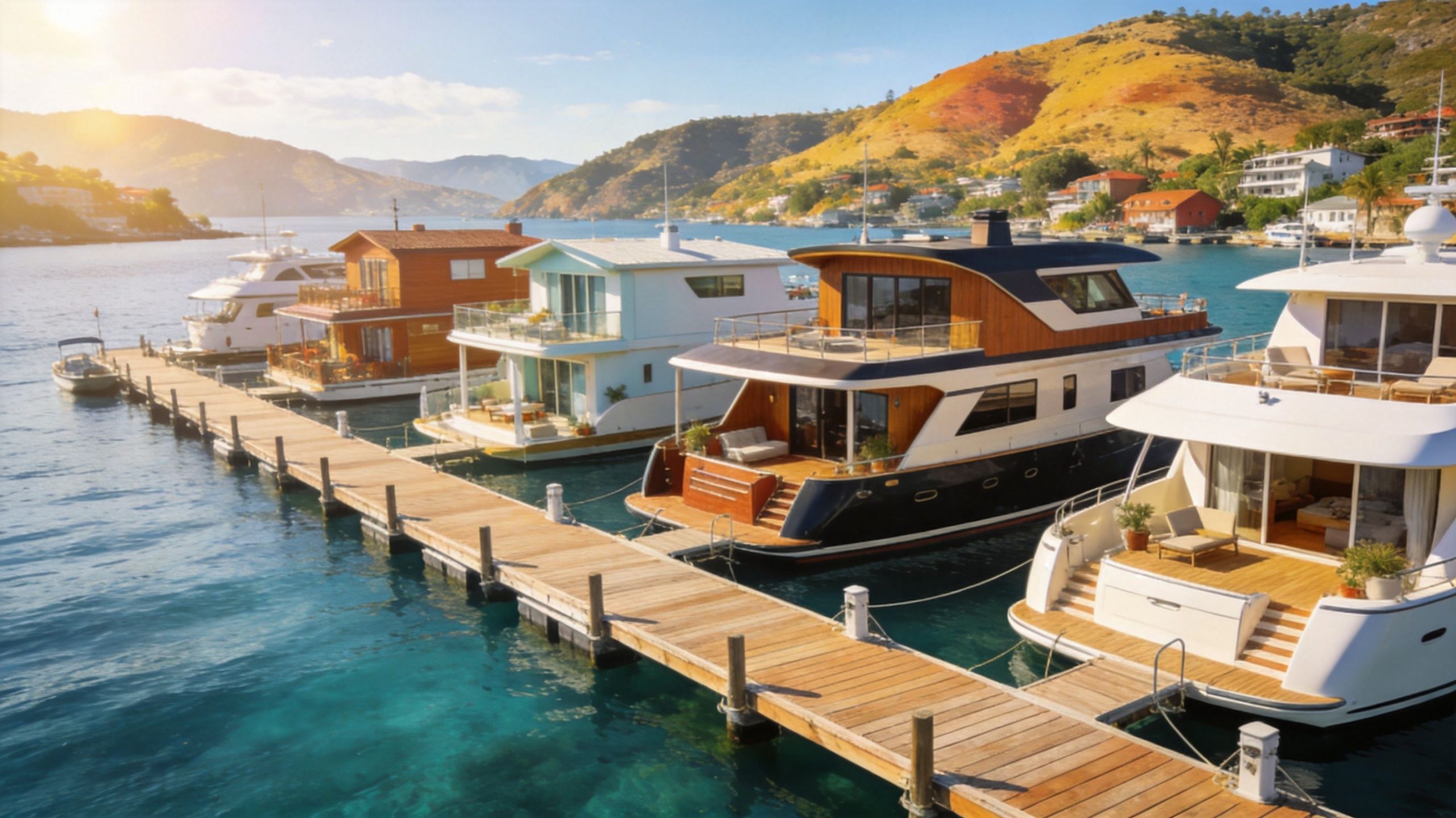
Lake Powell gets a lot of attention because the scenery is dramatic. Rainy Lake in Minnesota feels different. More forest, more quiet, more north-country energy. Dale Hollow has its own following too, especially for travelers who want a classic lake-house-on-water feel with marinas built around the houseboat experience.
Destination fit matters more than hype
A desert lake trip usually leans into sun, big views, and long deck time. A northern lake trip tends to feel more tucked away and slower. Neither is better. They're just different missions.
Amenities can also vary by location, especially where marina operations follow National Park Service standards. On lakes such as Dale Hollow, top-tier houseboats often include generators, A/C, and water slides, and some are designed for up to 6 days of off-grid autonomy on freshwater tanks, as noted in the National Park Service houseboat rental standards document.
That means the same word, “houseboat,” can describe very different experiences depending on where you book.
Two ways to book well
You'll usually find rentals through either marina-direct listings or broader booking marketplaces. Both can work.
Marina-direct booking can give you clearer answers about orientation, dock procedures, parking, and add-ons. Marketplace browsing is useful when you're comparing locations or trying to understand the range of boats available.
For trip organization, route ideas, and keeping your planning from turning into sticky-note chaos, a tool roundup like these best free travel planning apps can help you keep reservations, packing notes, and marina details in one place.
A quick look at a video tour can also help you judge whether a destination matches your crew's style:
What to compare before you click book
Don't compare listings on headline price alone. Compare the full experience.
- Check the marina setup: Ask how orientation works, where parking is, and how groceries or gear get to the dock.
- Review the operating area: Some lakes feel open and expansive. Others are better for short hops and tucked-away coves.
- Ask about onboard systems: Generator rules, water capacity, and return procedures affect how relaxed your trip feels.
- Look for direct communication: A responsive operator is often a better sign than a polished listing.
The best destination isn't always the famous one. It's the one your crew can enjoy without spending half the trip adapting to the wrong setup.
Decoding the Price Tag on Your Rental
Many first-time renters either gain confidence or become intimidated during this stage of the process. They see a high headline price, assume houseboating is out of reach, and move on too fast.
Slow down, troop. A houseboat is usually carrying a whole group, not a single traveler. Cost makes more sense once you break it into parts and compare it to what you'd otherwise spend on multiple rooms, separate gathering space, and day-by-day activities.
Houseboat rental pricing spans a wide range. Nightly costs can start at $200 for basic models and climb to $2,100+ for luxury vessels, according to this 2026 houseboat pricing guide from Getmyboat. The same guide notes an off-season 4-night stay on Lake Cumberland at around $1,600, while a larger 3-night peak-season trip on Shasta Lake can run around $3,600.
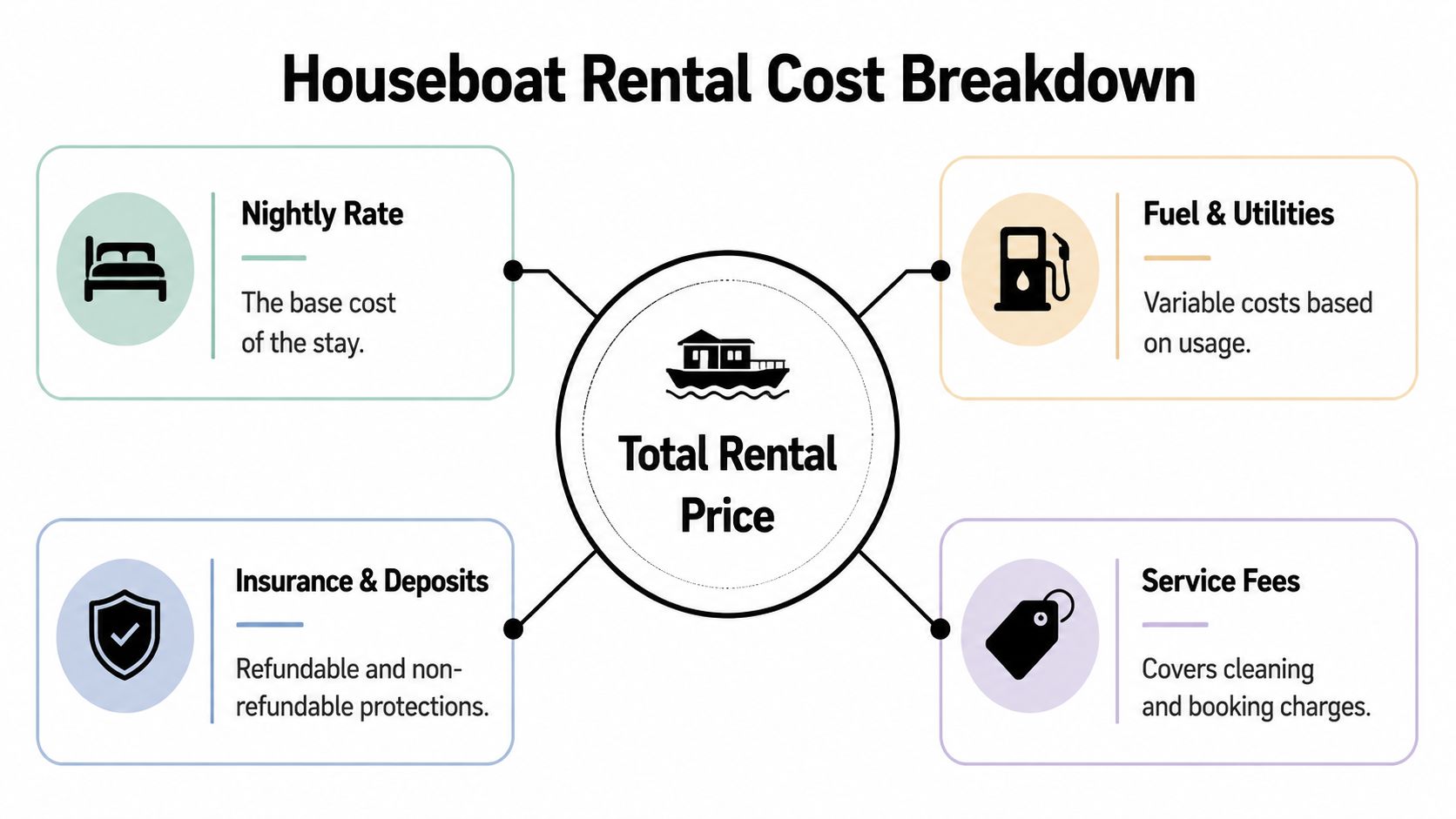
What you're actually paying for
Think of the total as four buckets.
- Base rental rate: This is the core charge for the boat itself.
- Fuel and utilities: Variable costs based on how you use the boat and onboard systems.
- Insurance and deposits: Protections and holds tied to the rental agreement.
- Service fees: Cleaning, booking, and marina-related charges.
That's why comparing only the nightly rate can mislead you. One listing may look cheaper until the operating costs land.
Why group math changes the story
A bigger boat often looks expensive until you divide it across the crew. That's especially true for larger groups who'd otherwise need several hotel rooms and separate common space.
Mid-size houseboats that sleep larger groups can be a solid value play. The same Getmyboat pricing guide notes examples on Shasta Lake in the $3,125 to $3,647 range for a 3-night stay on boats sized for bigger parties, which is exactly why group travelers often view them as economical once split among everyone onboard.
The smartest budget question isn't “What does the boat cost?” It's “What does the whole trip cost per person once the crew shares it?”
If you're trying to compare lodging options beyond houseboats, this guide on how to find cheap vacation packages is useful for framing total-trip value instead of chasing a low sticker price.
Budget like a veteran traveler
Build your plan around the all-in estimate, not wishful thinking. Ask for a written breakdown before paying. If the operator can't explain the charges clearly, keep walking.
The best bookings aren't always the lowest-priced listings. They're the ones where you understand exactly what you're buying.
Smooth Sailing with Key Safety and Legal Rules
A houseboat trip feels easygoing. The paperwork and orientation still matter.
That's not the boring part. That's the part that protects your crew, your budget, and your peace of mind when weather shifts, docking gets tricky, or somebody suddenly decides reversing a large boat is “basically like backing up a pickup.” It is not, and your marina staff has seen that movie before.
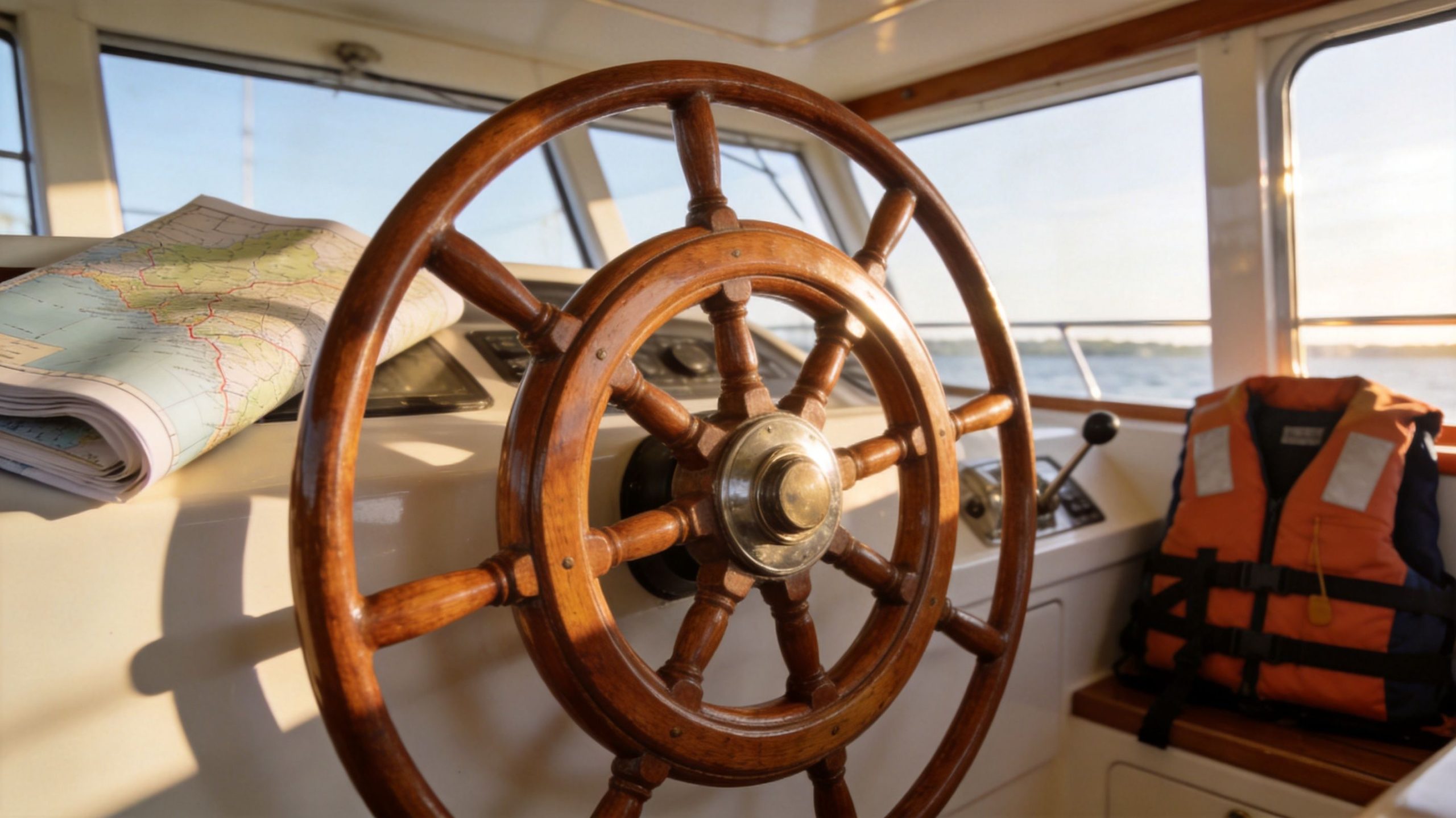
Take the marina briefing seriously
When you check in, the marina will usually walk you through operation basics, emergency equipment, docking procedures, onboard systems, and return expectations. Pay attention. Put the most responsible adults in that orientation, not just the loudest volunteer.
Even first-timers can handle a houseboat well when they start slow, ask questions, and respect the systems onboard. What gets renters into trouble is rushing.
Docking is not the time for mystery, ego, or thirty spectators giving different instructions.
Know what the contract is really telling you
Rental agreements matter because they spell out what you're responsible for. In the standard business model, renters typically cover additional operating costs such as fuel and insurance on top of the weekly rental fee, according to Entrepreneur's overview of the houseboat rental business model.
Read for these points before departure:
- Fuel responsibility: Confirm whether you return full or pay based on usage.
- Insurance handling: Understand what's included and what isn't.
- Damage rules: Minor wear and real damage are not treated the same way.
- Return timing: Late returns can cause a domino effect for the marina and may trigger charges.
Onboard habits that prevent problems
Safe trips usually look pretty ordinary. People move carefully. Gear stays stowed. Kids know the boundaries. The captain stays clear-headed. Nobody treats the upper deck like a stunt stage.
A few habits make a major difference:
- Assign roles before leaving the dock. One person handles lines, one watches clearance, one communicates calmly.
- Keep walkways clear. Loose bags, wet towels, and fishing gear become hazards fast.
- Respect system limits. Toilets, tanks, generators, and appliances all have rules for a reason.
- Ask before improvising. If you're unsure how something works, call the marina.
The goal isn't to make the trip feel strict. It's to make sure the fun part stays fun.
Your Pre-Launch Mission Checklist and Pro Tips
The travelers who enjoy houseboats most aren't always the most experienced. They're usually the ones who prepare just enough. Not obsessively. Just smartly.
A solid houseboat trip starts before you ever step onto the dock. Reservation timing, food planning, packing choices, and a few money-saving moves can turn a “pretty good” trip into one your group talks about all year.
Booking checklist that saves headaches
Run this checklist before you lock in the rental:
- Confirm the sleeping plan: Don't assume every sofa is fair game. Match actual beds to actual people.
- Ask for the fee breakdown: Base rate, operating costs, cleaning, and policies should all be clear.
- Review marina timing: Pickup and return windows affect your travel day more than travelers often expect.
- Check what's provided: Linens, cookware, coolers, and basic galley gear vary by operator.
For packing strategy, a general travel checklist like this guide on what to pack for a cruise can still help you think through layers, toiletries, cabin organization, and trip-day essentials, even though a houseboat has its own rhythm and rules.
Money-saving intel that other guides miss
The easiest way to lower cost is often timing and group structure. Off-season bookings can shift the math in your favor. Bigger groups can spread the cost more effectively, assuming the sleeping setup still works.
Some destinations also reward travelers who stay flexible about exact dates or boat class. If your crew cares more about the experience than about having the newest upholstery on the dock, you'll usually have more room to save.
Field note: Price drops often come from compromise on timing, not compromise on fun.
Military and veteran savings worth asking about
This is the part too many rental guides skip. Military families and veterans should ask direct questions about eligibility, park access, and unpublished promotions.
A significant opportunity for savings exists here because military and veteran discounts are often overlooked in houseboating. The market rarely advertises them clearly, yet post-2025 National Park fee waivers for veterans apply to park-based rentals like those in Voyageurs National Park, as noted in this houseboating overview that highlights the veteran discount gap.
That means you should ask:
- Is there a military or veteran rate that isn't listed online?
- Does the marina operate in or near a park area with veteran fee benefits?
- Are there ID-based perks for booking, entry, or add-ons?
What to pack and what to leave home
Pack for easy living, not for fashion week on the marina.
Bring soft bags instead of hard suitcases if space is limited. Pack layers for cool mornings and breezy nights. Add deck-friendly shoes, sunscreen, chargers, basic meds, and a dry bag for phones and wallets. Keep it simple.
Leave behind anything fragile, bulky, or high-maintenance. A houseboat rewards practical packing and punishes overpacking in about six minutes.
Houseboat Rental FAQs for Savvy Travelers
A few questions always pop up right before booking. Here are the ones that matter most.
Quick answers before you deploy
| Houseboat FAQs | Answer |
|---|---|
| Do I need boating experience to rent a houseboat? | Often, no. Many renters are first-timers. The marina orientation is the key part, and you should take it seriously. |
| Are houseboats good for families? | Yes, especially when you want everyone in one place with easy access to swimming, meals, and downtime together. |
| What's the biggest rookie mistake? | Booking for the photo gallery instead of the floor plan. Sleeping layout and deck usability matter more than glamor shots. |
| Do houseboats feel cramped? | That depends on layout and group size. A well-matched boat feels roomy. A mismatched one feels crowded fast. |
| Should I book direct with a marina or use a listing platform? | Either can work. Direct booking may give you clearer operational details, while broader platforms help with comparison shopping. |
| What costs surprise people most? | Fuel, insurance handling, and service-related charges are the usual ones, especially if renters only focus on the base rate. |
| Are houseboats a good value for groups? | Often, yes. They tend to make more financial sense when the crew shares both the rental cost and the onboard living space. |
A few final confidence boosters
If you're hesitating because you've never done this before, that's normal. Most first houseboat trips start with a little uncertainty and end with somebody asking when the next one is.
The best mindset is simple. Be curious. Ask questions. Book the boat that fits your real crew, not your fantasy crew. Respect the water, the marina briefing, and the budget. Do that, and you're already ahead of the game.
A good houseboat trip doesn't require expert seamanship. It requires a good plan, a flexible attitude, and snacks that survive sunlight.
If you're ready to line up your next getaway, check out Sgt. Travel Deals Army. It's a veteran-owned travel platform built for travelers who like smart planning, transparent deals, and a little personality with their booking tools. You can also compare options on Sgt. Travel Deals Army's booking site to scout savings on hotels, flights, car rentals, activities, and more while you plan the rest of your adventure.